
Chemical Peel Treatment in Palakkad and Skin Care Options
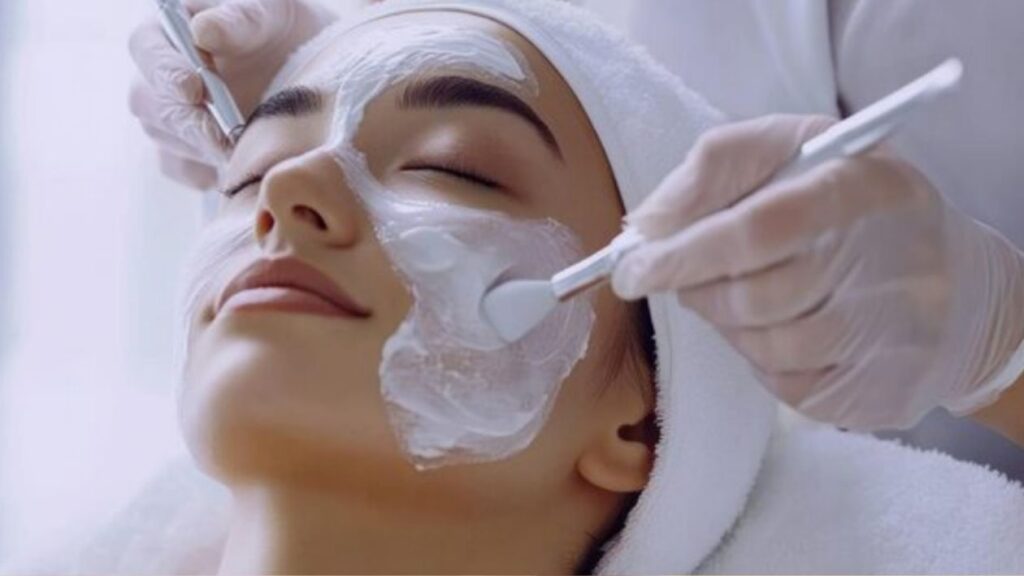
Chemical peel treatment is a widely used dermatology procedure that helps improve skin texture, tone, and overall skin appearance through controlled exfoliation. In Palakkad, chemical peel treatment is commonly considered by individuals who want to address skin concerns such as pigmentation, acne marks, dull skin, and uneven texture without undergoing invasive procedures. Chemical peel treatment works by applying a specialized chemical solution to the skin, which removes damaged outer layers and promotes the growth of fresh, healthier skin.
1. What Is Chemical Peel Treatment?
Chemical peel treatment is a skin-resurfacing procedure in dermatology where a chemical solution is applied to exfoliate the top layers of the skin. The purpose of chemical peel treatment is to remove dead skin cells, stimulate cell renewal, and improve overall skin quality.
Chemical peel treatment can be performed on the face, neck, or other exposed areas where skin concerns are present. The intensity of chemical peel treatment depends on the type of peel used and the condition being treated.
2. Types of Chemical Peel Treatment
Chemical peel treatment is classified into three main types based on how deeply the chemical solution penetrates the skin.
Superficial Chemical Peel Treatment
Superficial chemical peel treatment targets the outermost layer of the skin. This type of chemical peel treatment is commonly used for mild skin concerns such as dullness, minor pigmentation, and uneven skin tone.
Medium Chemical Peel Treatment
Medium chemical peel treatment penetrates deeper into the skin and is used for treating acne scars, fine lines, and moderate pigmentation. This type of chemical peel treatment provides more noticeable improvement compared to superficial peels.
Deep Chemical Peel Treatment
Deep chemical peel treatment reaches deeper layers of the skin and is used for more significant skin concerns such as deep wrinkles and severe pigmentation. This form of chemical peel treatment requires more recovery time.
3. How Chemical Peel Treatment Works
Chemical peel treatment works by applying a carefully selected chemical solution to the skin. The solution breaks down the bonds between dead skin cells, allowing the damaged outer layer to peel off.
After chemical peel treatment, the skin begins a natural regeneration process. New skin cells replace the old ones, resulting in smoother, clearer, and more even-toned skin. Chemical peel treatment also stimulates collagen production, which improves skin firmness over time.
4. Skin Concerns Treated by Chemical Peel Treatment
Chemical peel treatment is used to address multiple dermatological conditions, including:
- Uneven skin tone
- Hyperpigmentation
- Acne and acne scars
- Fine lines and early wrinkles
- Sun-damaged skin
- Rough or dull skin texture
The effectiveness of chemical peel treatment depends on the type of peel and the individual’s skin condition.
5. Steps of Chemical Peel Treatment Procedure
Chemical peel treatment typically follows a structured process to ensure safety and effectiveness:
- Cleansing the skin before chemical peel treatment
- Preparing the skin for the chemical solution
- Applying the chemical peel solution evenly
- Monitoring the skin response during chemical peel treatment
- Neutralizing or removing the solution
- Applying soothing products after chemical peel treatment
The duration of chemical peel treatment varies depending on the type and depth of the peel.
6. What to Expect During Chemical Peel Treatment
During chemical peel treatment, individuals may experience mild tingling, warmth, or a slight burning sensation. These sensations are temporary and usually subside once the chemical peel treatment is completed.
Superficial chemical peel treatment is generally comfortable, while deeper chemical peel treatment may cause slightly more noticeable sensations. The overall experience of chemical peel treatment is usually manageable.
7. Recovery After Chemical Peel Treatment
Recovery after chemical peel treatment depends on the depth of the peel.
- Superficial chemical peel treatment: Mild redness with little to no downtime
- Medium chemical peel treatment: Visible peeling and redness for a few days
- Deep chemical peel treatment: Extended recovery with more pronounced peeling
During the recovery phase, the skin undergoes healing and regeneration. Chemical peel treatment results become visible as the skin renews itself.
8. Post-Treatment Care After Chemical Peel Treatment
Proper care after chemical peel treatment is essential to maintain results and prevent complications.
- Use sunscreen regularly after chemical peel treatment
- Avoid direct sun exposure
- Keep the skin hydrated
- Avoid harsh skincare products
- Do not peel or scratch the skin
Following post-care instructions helps improve the outcomes of chemical peel treatment.
9. Results of Chemical Peel Treatment
Chemical peel treatment results vary depending on the type of peel and individual skin response. Many individuals notice smoother, brighter, and more even-toned skin after chemical peel treatment.
Repeated chemical peel treatment sessions may be required for long-term improvement, especially for concerns like acne scars and pigmentation. Results from chemical peel treatment usually improve gradually over time.
10. Who Can Consider Chemical Peel Treatment?
Chemical peel treatment may be suitable for individuals with:
- Mild to moderate skin concerns
- Uneven skin tone or texture
- Acne-related skin issues
- Early signs of aging
A proper skin assessment helps determine the most suitable type of chemical peel treatment for each individual.
11. Risks and Side Effects of Chemical Peel Treatment
Chemical peel treatment is generally safe, but some temporary side effects may occur:
- Redness
- Peeling
- Skin sensitivity
- Mild irritation
These effects are usually temporary and resolve as the skin heals after chemical peel treatment.
12. Frequency of Chemical Peel Treatment
The frequency of chemical peel treatment depends on the type of peel used and skin condition.
- Superficial chemical peel treatment can be repeated more frequently
- Medium chemical peel treatment requires spacing between sessions
- Deep chemical peel treatment is performed less often
Regular and properly spaced chemical peel treatment sessions help achieve better results.
Conclusion
Chemical peel treatment is an effective dermatological procedure that improves skin quality through controlled exfoliation and regeneration. In Palakkad, chemical peel treatment is considered by individuals seeking a non-invasive option for improving skin tone, texture, and clarity. Understanding the process, types, and aftercare of chemical peel treatment helps in making informed decisions and achieving better skin outcomes.
Table Of Content
During a consultation in Palakkad, the doctor evaluates skin type, concerns, and suitability for different types of chemical peels. Learn more
The cost in Palakkad varies based on peel type, number of sessions, skin condition, and clinic facilities. Learn more
Benefits in Palakkad may include improved skin texture, reduced pigmentation, acne control, and a more even skin tone. Learn more
Risks may include redness, irritation, peeling, sensitivity, or temporary skin discoloration depending on peel strength. Learn more
The procedure in Palakkad involves skin cleansing, application of the chemical solution, controlled exfoliation, neutralization if needed, and post-treatment care. Learn more
Frequently Asked Questions
1. What is chemical peel treatment?
Chemical peel treatment is a dermatology procedure that uses a chemical solution to exfoliate the skin and improve texture and tone.
2. How does chemical peel treatment work?
The treatment removes damaged outer skin layers, allowing new and healthier skin to develop.
3. Is chemical peel treatment safe?
Chemical peel treatment is generally safe when performed under proper dermatological guidance.
4. What skin problems can chemical peel treatment address?
It helps with pigmentation, acne scars, dull skin, uneven tone, and fine lines.
5. Is chemical peel treatment painful?
Most people experience mild tingling or burning sensation, which is usually temporary.
6. How long does a chemical peel session take?
A typical session usually takes around 20 to 30 minutes depending on the type of peel.
7. Is there downtime after chemical peel treatment?
Downtime varies depending on the peel type, with superficial peels having minimal downtime.
8. How many sessions are needed for chemical peel treatment?
The number of sessions depends on the skin condition and desired results.
9. How long do results from chemical peel treatment last?
Results can last for several months with proper skincare and maintenance.
10. What care is needed after chemical peel treatment?
Sun protection, hydration, and avoiding harsh skincare products are important after treatment.

Dr. Arathy Jerald
Dermatologist & Cosmetologist
Dr. Arathy Jerald is an experienced dermatologist and cosmetologist known for providing personalized skin and hair treatments. She focuses on combining medical dermatology with advanced aesthetic procedures to help patients achieve healthy and radiant skin.
Her approach emphasizes understanding each patient's unique concerns and creating customized treatment plans that enhance both skin health and natural beauty.
Revive Skin & Cosmetology Clinic, Palakkad, Kerala

