
Chemical Peel Procedure Steps in Palakkad
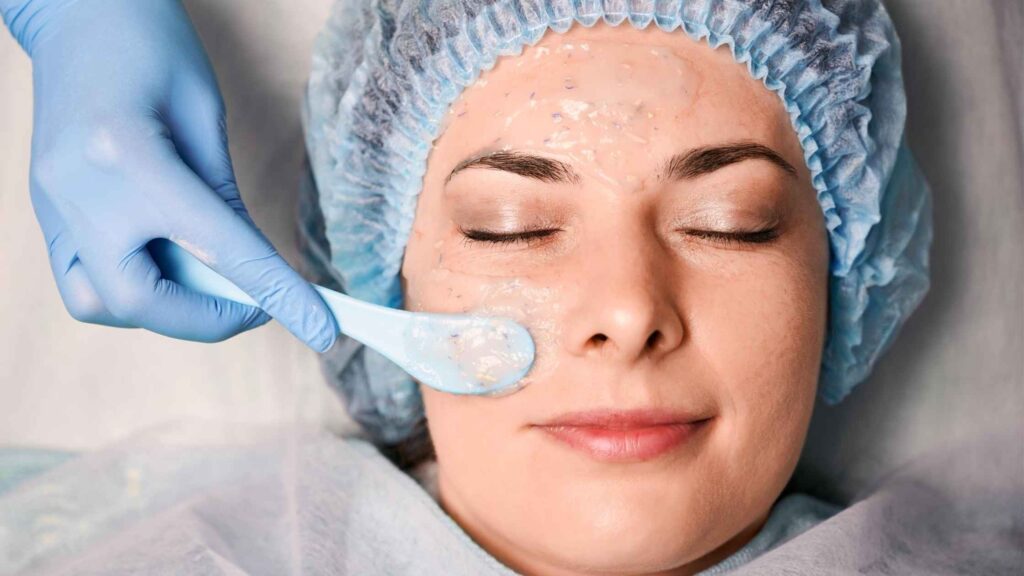
Table of Contents
- Introduction to Chemical Peel Procedure Steps in Palakkad
- What is a Chemical Peel?
- Why Understanding the Procedure is Important
- Types of Chemical Peels
- Step-by-Step Chemical Peel Procedure
- What Happens During the Procedure
- Benefits of Chemical Peel Treatment
- Skin Reactions After the Procedure
- How to Prepare for a Chemical Peel
- Post-Treatment Care After Chemical Peel
- Who Should Avoid Chemical Peels
- When to Consult a Specialist
- Conclusion
1. Introduction to Chemical Peel Procedure Steps in Palakkad
Chemical peels are widely used in skincare to improve texture, reduce pigmentation, and manage acne-related concerns. Many individuals consider this treatment for achieving smoother and healthier-looking skin. Understanding the chemical peel procedure steps in Palakkad is important before undergoing the treatment, as it helps set the right expectations and ensures better preparation.
The procedure involves controlled exfoliation of the skin, allowing new skin cells to regenerate. While the results can be noticeable, the effectiveness depends on proper technique, skin type, and post-treatment care. Being aware of each step in advance can make the overall experience more comfortable and predictable.
2. What is a Chemical Peel?
A chemical peel is a dermatological procedure in which a chemical solution is applied to the skin to remove its outer layer. This process stimulates skin renewal and helps improve overall appearance.
The chemical peel procedure steps in Palakkad are designed to address various skin concerns such as acne, uneven tone, and dullness. The treatment works by promoting the growth of new skin cells, resulting in a refreshed and smoother surface.
Depending on the strength of the solution used, the treatment may vary in intensity and recovery time.
3. Why Understanding the Procedure is Important
Before undergoing any cosmetic treatment, understanding the process is essential. The chemical peel procedure steps in Palakkad involve multiple stages that contribute to the final outcome.
Knowing these steps helps individuals:
- Prepare their skin properly
- Reduce anxiety about the procedure
- Follow correct aftercare
- Avoid unnecessary complications
Awareness of the procedure also helps in making informed decisions regarding the type of peel suitable for different skin conditions.
4. Types of Chemical Peels
The chemical peel procedure steps in Palakkad may vary slightly depending on the type of peel selected. Each type targets different skin concerns.
Superficial Peel
This is the mildest form and works on the outermost layer of the skin. It is commonly used for minor skin issues and requires minimal downtime.
Medium Peel
This peel penetrates deeper layers and is used for treating pigmentation and acne scars. Recovery time is moderate compared to superficial peels.
Deep Peel
Deep peels target advanced skin concerns and involve a longer healing process. These are performed with careful monitoring due to their intensity.
5. Step-by-Step Chemical Peel Procedure
The chemical peel procedure steps in Palakkad follow a structured approach to ensure safety and effectiveness.
Step 1: Skin Assessment
The process begins with a detailed evaluation of the skin type, sensitivity, and concerns. This helps determine the suitable peel type.
Step 2: Cleansing
The skin is cleaned thoroughly to remove dirt, oil, and impurities, ensuring better absorption of the peel solution.
Step 3: Pre-Peel Preparation
A preparatory solution may be applied to balance the skin and enhance treatment effectiveness.
Step 4: Application of Chemical Solution
The chemical solution is applied evenly across the treatment area. This step is carefully controlled to avoid overexposure.
Step 5: Monitoring the Skin
During the procedure, the skin is observed for reactions such as tingling or warmth. These are normal responses.
Step 6: Neutralization
The solution is neutralized or removed after a specific duration to stop its action.
Step 7: Post-Treatment Protection
Soothing products and sunscreen are applied to protect the treated skin.
6. What Happens During the Procedure
During the chemical peel procedure steps in Palakkad, individuals may experience mild sensations. These are part of the normal treatment process.
Common sensations include:
- Mild tingling
- Warm feeling
- Slight discomfort
These sensations are temporary and usually subside shortly after the procedure.
7. Benefits of Chemical Peel Treatment
The chemical peel procedure steps in Palakkad are designed to improve overall skin quality through controlled exfoliation.
Key benefits include:
- Smoother skin texture
- Improved skin tone
- Reduction in acne and marks
- Brighter complexion
- Enhanced skin clarity
Results may vary based on the type of peel and individual skin response.
8. Skin Reactions After the Procedure
After completing the chemical peel procedure steps in Palakkad, the skin undergoes a healing phase.
Common reactions include:
- Redness
- Peeling or flaking
- Dryness
- Increased sensitivity
These reactions are expected and indicate that the skin is renewing itself. They usually resolve within a few days to a week.
9. How to Prepare for a Chemical Peel
Preparation plays an important role in achieving better results from the chemical peel procedure steps in Palakkad.
Before the procedure:
- Avoid direct sun exposure
- Stop using strong skincare products
- Keep the skin hydrated
- Follow any pre-treatment instructions
Proper preparation helps reduce the chances of irritation and supports smoother recovery.
10. Post-Treatment Care After Chemical Peel
Aftercare is essential following the chemical peel procedure steps in Palakkad. It helps protect the skin and improves outcomes.
Important care tips include:
- Apply sunscreen regularly
- Avoid direct sunlight
- Use mild skincare products
- Do not pick or peel the skin
- Keep the skin moisturized
Following these steps supports faster healing and minimizes complications.
11. Who Should Avoid Chemical Peels
Not everyone is suitable for this treatment. The chemical peel procedure steps in Palakkad should be avoided or carefully considered in certain conditions.
Avoid or consult before treatment if you:
- Have active skin infections
- Have open wounds
- Are on certain medications
- Have highly sensitive skin
A proper evaluation is necessary before proceeding.
12. When to Consult a Specialist
While most reactions are mild, some situations require medical attention.
Consult a specialist if you notice:
- Severe burning sensation
- Excessive swelling
- Signs of infection
- Persistent redness
- Unusual skin changes
Timely consultation helps manage complications effectively.
13. Conclusion
Understanding the chemical peel procedure steps in Palakkad is essential for anyone planning to undergo this treatment. Each stage, from preparation to aftercare, plays a key role in achieving safe and effective results.
With proper guidance, realistic expectations, and consistent skincare, chemical peels can help improve skin texture and overall appearance. Being informed about the process allows individuals to approach the treatment with confidence and better awareness in Palakkad.
Table of Content
Chemical peel treatment is a dermatological procedure that uses controlled chemical solutions to exfoliate the skin and improve texture and appearance. Learn more
During a consultation in Palakkad, the doctor evaluates skin type, concerns, and suitability for different types of chemical peels. Learn more
The cost in Palakkad varies based on peel type, number of sessions, skin condition, and clinic facilities. Learn more
Benefits in Palakkad may include improved skin texture, reduced pigmentation, acne control, and a more even skin tone. Learn more
Risks may include redness, irritation, peeling, sensitivity, or temporary skin discoloration depending on peel strength. Learn more
Frequently Asked Questions
The chemical peel procedure steps include skin assessment, cleansing, preparation, application of the peel solution, monitoring, neutralization, and post-treatment care.
The procedure may cause mild tingling or a warm sensation, but it is generally well tolerated and not considered painful.
The chemical peel procedure usually takes around 20 to 40 minutes, depending on the type of peel used.
The number of sessions depends on individual skin concerns. Some people may need multiple sessions for visible improvement.
Avoid sun exposure, harsh skincare products, and active ingredients like retinoids before undergoing the procedure.
Common side effects include redness, peeling, dryness, and mild sensitivity, which usually subside within a few days.
Yes, but it is important to use sunscreen and avoid direct sunlight to protect the treated skin.
Results can start appearing within a few days as the skin begins to peel and regenerate.
People with active skin infections, open wounds, or certain medical conditions should avoid the procedure or consult a specialist.
Use gentle skincare products, keep the skin moisturized, avoid picking the skin, and apply sunscreen regularly.

Dr. Arathy Jerald
Dermatologist & Cosmetologist
Dr. Arathy Jerald is an experienced dermatologist and cosmetologist known for providing personalized skin and hair treatments. She focuses on combining medical dermatology with advanced aesthetic procedures to help patients achieve healthy and radiant skin.
Her approach emphasizes understanding each patient's unique concerns and creating customized treatment plans that enhance both skin health and natural beauty.
Revive Skin & Cosmetology Clinic, Palakkad, Kerala

