
When Should You Consult a Dermatologist for Hair Fall?
Hair fall is a common concern that affects both men and women at different stages of life. While losing a few strands daily is normal, excessive shedding, thinning, or bald patches may indicate an underlying issue that requires medical attention. Many people ignore the early warning signs and delay proper treatment, which can make hair loss more difficult to manage later.
If you are experiencing persistent hair fall, scalp irritation, sudden thinning, or changes in hair texture, it may be time to seek professional guidance. Understanding when should you consult a dermatologist for hair fall can help you identify the problem early and begin the right treatment approach before the condition worsens.
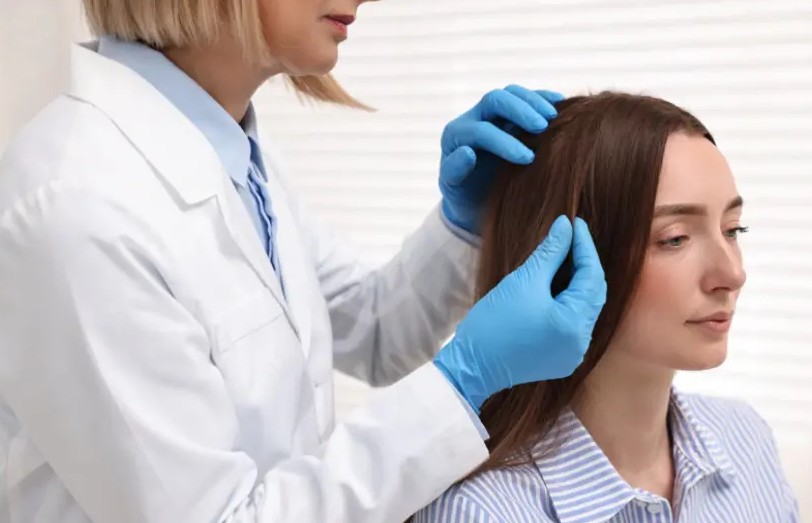
Table of Contents
- What Is Hair Fall?
- Understanding Normal vs Excessive Hair Loss
- Common Causes of Hair Fall
- Signs You Should Consult a Dermatologist for Hair Fall
- Sudden Hair Loss and Its Importance
- Hair Fall With Scalp Problems
- Thinning Hair and Receding Hairline
- Hair Fall After Stress or Illness
- Hormonal Hair Loss Concerns
- Hair Fall Due to Nutritional Deficiency
- When Home Remedies Are Not Working
- Diagnosis Methods Used by Dermatologists
- Hair Fall Treatment Options
- Tips to Maintain Healthy Hair
- Conclusion
1. What Is Hair Fall?
Hair fall refers to the shedding of hair from the scalp beyond the normal growth cycle. Every person loses some hair daily as part of natural hair renewal. However, excessive shedding or visible thinning may indicate an imbalance in scalp health, hormones, nutrition, or overall wellness.
Understanding when should you consult a dermatologist for hair fall becomes important when the problem continues for weeks or starts affecting confidence and appearance.
2. Understanding Normal vs Excessive Hair Loss
Normal hair shedding usually ranges between 50 to 100 strands per day. This process is temporary and part of the natural hair growth cycle.
Excessive hair loss may include:
- Hair collecting on pillows
- Increased strands while combing
- Noticeable scalp visibility
- Hair thinning near the forehead
- Bald spots or patchy loss
Recognizing the difference between temporary shedding and ongoing hair loss helps determine when should you consult a dermatologist for hair fall.
3. Common Causes of Hair Fall
Several factors can contribute to hair fall. Identifying the root cause is essential for proper treatment.
Common causes include:
- Genetic hair loss
- Hormonal imbalance
- Stress and anxiety
- Poor nutrition
- Scalp infections
- Dandruff
- Thyroid disorders
- PCOS-related hair loss
- Excessive heat styling
- Chemical hair treatments
Different causes require different solutions, which is why expert evaluation becomes necessary.
4. Signs You Should Consult a Dermatologist for Hair Fall
There are certain warning signs that should not be ignored.
Consult a dermatologist if you notice:
- Sudden increase in hair shedding
- Hair thinning for several months
- Patchy bald spots
- Itchy or painful scalp
- Excessive dandruff
- Hair breakage
- Hair loss after illness
- Weak hair texture
- Receding hairline
- Family history of baldness
These signs may indicate an underlying medical or scalp condition that requires professional care.
5. Sudden Hair Loss and Its Importance
Sudden hair loss can occur due to stress, infections, hormonal imbalance, medications, or nutritional deficiency. This type of hair loss may develop quickly over a few weeks.
Ignoring sudden shedding may delay diagnosis and treatment. Early intervention can improve recovery and prevent further damage to hair follicles.
Understanding when should you consult a dermatologist for hair fall becomes especially important when hair loss appears rapidly without an obvious reason.
6. Hair Fall With Scalp Problems
Scalp health plays a major role in maintaining strong hair growth. Conditions affecting the scalp can weaken hair roots and increase shedding.
Common scalp-related issues include:
- Dandruff
- Psoriasis
- Seborrheic dermatitis
- Fungal infections
- Excess oil production
- Scalp inflammation
If hair fall occurs along with itching, redness, flakes, or irritation, professional evaluation is recommended.
7. Thinning Hair and Receding Hairline
Gradual thinning often develops slowly, making it difficult to notice in the beginning. Many people realize the problem only after visible scalp exposure or reduced hair density.
Early signs include:
- Wider hair partition
- Reduced ponytail thickness
- Hairline moving backward
- Sparse crown area
- Weak hair strands
Hair thinning can be easier to manage when diagnosed early. A dermatologist can identify the stage of hair loss and recommend suitable treatments.
8. Hair Fall After Stress or Illness
Physical and emotional stress can trigger temporary hair shedding called telogen effluvium. Fever, surgery, infections, sudden weight loss, and emotional trauma may also contribute to hair loss.
This condition often appears a few months after the triggering event.
Although temporary, severe shedding should still be evaluated to rule out nutritional deficiencies or underlying health concerns.
9. Hormonal Hair Loss Concerns
Hormonal imbalance is one of the major causes of persistent hair fall.
Hormonal conditions linked to hair loss include:
- Thyroid disorders
- PCOS
- Menopause
- Pregnancy-related changes
- Testosterone-related hair loss
Hormonal hair loss usually requires a combination of medical treatment, lifestyle adjustments, and scalp care.
Recognizing when should you consult a dermatologist for hair fall can help manage hormone-related thinning before it progresses.
10. Hair Fall Due to Nutritional Deficiency
Healthy hair growth depends heavily on proper nutrition. Lack of essential nutrients can weaken hair follicles and increase shedding.
Nutrients important for hair health include:
- Iron
- Protein
- Vitamin D
- Zinc
- Biotin
- Vitamin B12
Poor eating habits, crash diets, or medical conditions affecting nutrient absorption may contribute to ongoing hair loss.
A dermatologist may recommend blood tests to identify deficiencies affecting hair growth.
11. When Home Remedies Are Not Working
Many people try oils, shampoos, masks, or home remedies before seeking professional care. While some mild cases improve temporarily, persistent hair fall usually requires targeted treatment.
You should seek professional advice if:
- Hair fall continues despite home care
- Over-the-counter products show no improvement
- Hair density keeps reducing
- Scalp irritation worsens
- Bald spots develop
Delaying treatment may reduce the effectiveness of certain hair restoration therapies.
12. Diagnosis Methods Used by Dermatologists
Dermatologists use several methods to identify the exact cause of hair loss.
Common diagnostic methods include:
- Scalp examination
- Hair pull test
- Medical history review
- Blood tests
- Scalp imaging
- Trichoscopy
Proper diagnosis helps create a personalized treatment plan based on the condition and severity of hair loss.
13. Hair Fall Treatment Options
Hair fall treatments vary depending on the underlying cause and severity.
Common treatment options include:
Medications
Topical and oral medications may help reduce shedding and support hair regrowth.
PRP Therapy
Platelet-rich plasma therapy uses growth factors from the patient’s blood to stimulate hair follicles.
Scalp Treatments
Professional scalp therapies help improve scalp health and reduce inflammation.
Nutritional Support
Supplements and dietary guidance may improve hair growth in deficiency-related cases.
Lifestyle Modifications
Stress management, sleep improvement, and healthy routines can positively affect hair health.
Understanding when should you consult a dermatologist for hair fall allows timely access to these treatment options before severe thinning develops.
14. Tips to Maintain Healthy Hair
Simple daily habits can support healthy hair growth and reduce damage.
Helpful hair care tips:
- Use mild shampoos
- Avoid excessive heat styling
- Maintain a balanced diet
- Stay hydrated
- Manage stress
- Avoid harsh chemical treatments
- Protect hair from sun exposure
- Keep the scalp clean
- Avoid tight hairstyles
- Follow a consistent hair care routine
Healthy habits combined with professional guidance can improve long-term scalp and hair health.
15. Conclusion
Hair fall can affect confidence and overall well-being, especially when it becomes persistent or severe. Recognizing the early signs and understanding when should you consult a dermatologist for hair fall can help prevent long-term scalp and hair damage. Professional evaluation allows accurate diagnosis, personalized treatment planning, and better hair care management for healthier results over time. You can also learn more about scalp and hair health from the American Academy of Dermatology Association for additional guidance and awareness.
Table of Contents
Hair Fall Treatment
Comprehensive solutions designed to address hair loss, improve scalp health, and support long-term hair growth. Explore treatment options tailored to different causes of hair fall.
Learn MoreHair Fall Reasons
Learn about common factors that contribute to excessive hair shedding, including stress, hormonal changes, nutritional deficiencies, and scalp conditions.
Learn MorePRP Hair Candidates
Discover who may benefit from PRP hair therapy and how this regenerative treatment can help improve hair density and overall scalp health.
Learn MoreHair Fall Treatment Cost
Explore the factors that influence treatment pricing, including the type of procedure, number of sessions required, and individual treatment goals.
Learn MorePRP Hair Procedure
Understand the step-by-step PRP treatment process, from blood collection and platelet preparation to scalp injections and recovery.
Learn MoreFrequently Asked Questions
You should consult a dermatologist if you notice excessive hair shedding, thinning hair, bald patches, or scalp irritation that continues for several weeks.
Yes, losing around 50 to 100 strands of hair daily is generally considered a normal part of the hair growth cycle.
Yes, emotional and physical stress can trigger temporary hair shedding and may worsen existing hair loss conditions.
Hair fall can occur due to hormonal imbalance, nutritional deficiencies, stress, scalp infections, genetics, or certain medical conditions.
Severe dandruff and scalp inflammation may weaken hair roots and contribute to increased hair shedding.
Dermatologists may perform scalp examinations, hair pull tests, blood tests, or scalp imaging to identify the underlying cause.
Treatment options may include medications, PRP therapy, scalp treatments, nutritional support, and lifestyle modifications.
Yes, deficiencies in iron, protein, vitamin D, zinc, and biotin can negatively affect hair health and growth.
Some types of hair loss can improve significantly with early diagnosis and proper treatment.
Hair fall treatment results vary depending on the condition, but noticeable improvement may take several weeks to months.

Dr. Arathy Jerald
Dermatologist & Cosmetologist
Dr. Arathy Jerald is an experienced dermatologist and cosmetologist known for providing personalized skin and hair treatments. She focuses on combining medical dermatology with advanced aesthetic procedures to help patients achieve healthy and radiant skin.
Her approach emphasizes understanding each patient's unique concerns and creating customized treatment plans that enhance both skin health and natural beauty.
Revive Skin & Cosmetology Clinic, Palakkad, Kerala

