
What Is PRP Therapy And How Does It Work?
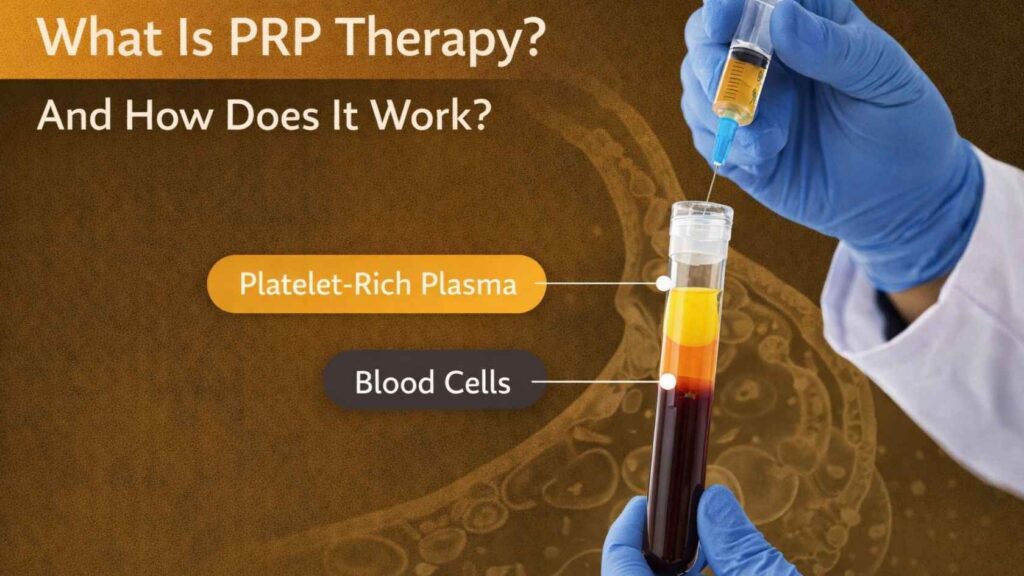
PRP Therapy for hair has become one of the most trusted non‑surgical solutions for people experiencing hair thinning and pattern baldness, and many individuals in Palakkad are now choosing this advanced regenerative treatment to restore hair density naturally. With growing awareness in Palakkad about safe, minimally invasive procedures that harness the body’s own healing ability, Platelet‑Rich Plasma (PRP) Therapy is widely recognized as an effective option for achieving thicker, healthier hair without surgery, pills, or harsh chemicals.
What Is PRP Therapy?
Platelet‑Rich Plasma (PRP) Therapy is a medical treatment that uses a concentrated portion of a patient’s own blood to stimulate tissue repair and regeneration. In the context of hair restoration, PRP is injected into the scalp to activate weakened or dormant hair follicles and encourage new growth.
Human blood contains red blood cells, white blood cells, plasma, and platelets. Platelets are particularly important because they contain powerful growth factors and bioactive proteins responsible for healing injuries, repairing tissues, and stimulating cell regeneration.
PRP Therapy concentrates these platelets to levels far higher than normal blood. When delivered directly to the scalp, they trigger biological processes that support hair follicle health and function.
Because the treatment uses the patient’s own blood (autologous therapy), it is considered natural and carries a very low risk of allergic reactions or rejection.
How Does PRP Therapy Work for Hair?
PRP Therapy works by utilizing the body’s natural healing agents. The procedure is typically performed as a three‑step medical process designed to isolate and activate platelet‑rich plasma before injecting it into targeted areas of hair loss.
Step 1: Blood Draw and Separation
A small sample of blood is drawn from the patient’s arm, similar to a routine blood test. The collected blood is then placed into a centrifuge machine.
The centrifuge spins at very high speed, separating the blood into layers based on density:
- Red blood cells (bottom layer)
- Platelet‑poor plasma
- Platelet‑rich plasma (PRP)
This process isolates the portion of plasma containing the highest concentration of platelets and growth factors.
Step 2: Concentration of Platelets
The platelet‑rich plasma is extracted and further prepared to ensure optimal concentration. PRP contains a significantly higher number of platelets than normal blood, making it a powerful regenerative substance.
These platelets store essential growth factors such as:
- Platelet‑Derived Growth Factor (PDGF)
- Vascular Endothelial Growth Factor (VEGF)
- Transforming Growth Factor (TGF)
- Epidermal Growth Factor (EGF)
These molecules play a crucial role in cell repair, tissue regeneration, and blood vessel formation.
Step 3: Injection Into the Scalp
The prepared PRP is injected into the scalp at the level of the hair follicles, particularly in areas showing thinning or pattern hair loss. Local anesthesia or numbing cream may be used to minimize discomfort.
The injections target the follicular bulge area, where stem cells responsible for hair growth are located.
Biological Mechanism of Hair Growth Stimulation
Once injected, platelets become activated and release growth factors that initiate a cascade of regenerative events.
Activation of Follicle Stem Cells
Growth factors stimulate stem cells in the follicle bulge region, encouraging dormant follicles to re‑enter the active growth phase (anagen phase) of the hair cycle.
Increased Blood Supply
PRP promotes angiogenesis — the formation of new blood vessels. Improved circulation delivers more oxygen and nutrients to hair follicles, strengthening them and supporting sustained growth.
Reduction of Inflammation
Chronic scalp inflammation can contribute to follicle miniaturization and hair loss. PRP has anti‑inflammatory effects that create a healthier environment for hair production.
Reversal of Follicle Miniaturization
In pattern baldness, hair follicles gradually shrink, producing thinner hair strands. PRP can help reverse this process, allowing follicles to produce thicker, stronger hair.
Benefits of PRP Therapy for Hair Loss
PRP is primarily used to treat androgenetic alopecia (male and female pattern baldness) as well as general hair thinning.
Increased Hair Density and Thickness
By stimulating weakened follicles, PRP can increase the number of active follicles, resulting in fuller‑looking hair.
Reduced Hair Shedding
Growth factors help prolong the anagen (growth) phase of the hair cycle, reducing excessive hair fall.
Improved Hair Quality
Hair strands often become thicker, stronger, and healthier after treatment.
Enhanced Scalp Health
Better blood circulation improves nutrient delivery, creating an optimal environment for sustained hair growth.
Natural Treatment Approach
Because PRP uses the patient’s own blood, it avoids synthetic chemicals and medications.
Minimally Invasive With Little Downtime
The procedure does not require surgery, stitches, or prolonged recovery.
Who Can Benefit Most From PRP Therapy?
PRP Therapy tends to be most effective for individuals in the early stages of hair loss.
Ideal candidates typically include those who:
- Have thinning hair rather than complete baldness
- Are experiencing pattern hair loss
- Want a non‑surgical solution
- Prefer natural treatments
- Have realistic expectations about gradual improvement
It is important to note that PRP is not a permanent cure for baldness and cannot revive follicles that are completely inactive for a long time.
Typical Treatment Schedule
Hair restoration with PRP usually requires multiple sessions for optimal results.
Initial Treatment Phase
Most protocols recommend a series of three treatments spaced approximately 4 to 6 weeks apart.
Maintenance Phase
To sustain results, maintenance sessions are typically performed every 3 to 6 months. Without maintenance, the benefits may gradually diminish over time.
What to Expect During and After the Procedure
PRP Therapy for hair is usually completed within 30 to 60 minutes.
During the Procedure
- Blood draw from the arm
- Centrifugation and preparation of PRP
- Targeted scalp injections
After the Procedure
Patients can usually resume normal activities the same day.
Mild temporary effects may include:
- Tenderness or pressure at injection sites
- Slight swelling or redness
- Minor scalp sensitivity
- Occasional headache
These symptoms typically resolve within a few days.
Safety and Potential Side Effects
PRP Therapy is considered very safe because it uses autologous material (the patient’s own blood). Serious complications are rare when performed under proper medical conditions.
Common Mild Side Effects
- Temporary pain or discomfort
- Swelling or redness
- Minor bruising
- Sensitivity of the scalp
Rare Risks
- Infection
- Scalp numbness
- Injury to blood vessels or nerves (very uncommon)
Proper sterile technique significantly reduces these risks.
Advantages Over Other Hair Loss Treatments
PRP Therapy offers several benefits compared to medications or surgical options.
Non‑Surgical Alternative
No incisions, scars, or anesthesia risks associated with hair transplant surgery.
Drug‑Free Option
Suitable for individuals who cannot tolerate or prefer to avoid long‑term medications.
Natural Regenerative Approach
Harnesses the body’s own healing capacity rather than introducing foreign substances.
Can Be Combined With Other Treatments
PRP may complement other hair restoration methods for enhanced outcomes.
Limitations of PRP Therapy
While effective, PRP Therapy has certain limitations that patients should understand.
- Results vary between individuals
- Multiple sessions are required
- Ongoing maintenance is necessary
- Not effective for advanced baldness
- Improvements appear gradually rather than instantly
Setting realistic expectations is key to satisfaction with the treatment.
Why PRP Therapy Is Gaining Popularity
PRP Therapy continues to grow in popularity due to several factors:
- Increased awareness of regenerative medicine
- Preference for natural, minimally invasive procedures
- Short treatment time with minimal downtime
- Ability to address hair thinning before severe loss occurs
- Visible improvement in hair density and quality over time
As more people seek safe alternatives to surgery and lifelong medication, PRP Therapy is emerging as a reliable solution for hair restoration.
Conclusion
Platelet‑Rich Plasma Therapy represents a major advancement in non‑surgical hair restoration by using the body’s own growth factors to revive weakened follicles and support natural hair regrowth. Through a simple three‑step process — blood collection, platelet concentration, and targeted scalp injections — PRP stimulates stem cells, improves blood supply, reduces inflammation, and prolongs the hair growth cycle. Although it is not a permanent cure and requires maintenance sessions, PRP Therapy offers a safe, minimally invasive, and effective option for individuals experiencing early hair thinning or pattern baldness. With increasing demand for natural regenerative treatments, PRP Therapy has become a trusted choice for achieving thicker, healthier hair and renewed confidence among individuals in Palakkad seeking long‑term solutions for hair loss in Palakkad.
Frequently Asked Questions
PRP (Platelet-Rich Plasma) Therapy is a non-surgical hair restoration treatment that uses a patient’s own blood to stimulate natural hair growth by activating weakened hair follicles.
PRP releases growth factors that improve blood supply to hair follicles, stimulate stem cells, reduce inflammation, and prolong the hair growth phase.
Yes, it is generally very safe because it uses your own blood, minimizing the risk of allergic reactions or serious side effects.
Most people require 3 initial sessions spaced 4–6 weeks apart, followed by maintenance treatments every 3–6 months.
Hair shedding may reduce within a few weeks, while visible improvements in thickness and growth usually appear after 3–6 months.
The procedure involves mild discomfort. Numbing cream is typically applied to make the injections more comfortable.
PRP works best for thinning hair and early-stage hair loss. It is less effective in areas where hair follicles are completely inactive.
Common side effects include temporary redness, swelling, tenderness, or mild headache, which usually resolve within a few days.
There is minimal to no downtime, and most people can resume normal activities the same day.
Results can last several months, but maintenance sessions are needed to sustain hair growth and thickness.
Dr. Arathy Jerald
Dermatologist & Cosmetologist
Dr. Arathy Jerald is an experienced dermatologist and cosmetologist known for providing personalized skin and hair treatments. She focuses on combining medical dermatology with advanced aesthetic procedures to help patients achieve healthy and radiant skin.
Her approach emphasizes understanding each patient's unique concerns and creating customized treatment plans that enhance both skin health and natural beauty.
Revive Skin & Cosmetology Clinic, Palakkad, Kerala

