
Choosing the right doctor involves checking dermatology experience, PRP-specific training, treatment protocol transparency, and follow-up care. Learn more
What Should I Expect During PRP Recovery?
Platelet-Rich Plasma (PRP) therapy is a minimally invasive dermatological procedure commonly used for hair-related concerns. For individuals undergoing PRP treatment in Palakkad, understanding the recovery process helps set realistic expectations and supports proper post-procedure care. Recovery from PRP is generally straightforward, but individual experiences may vary depending on scalp sensitivity, treatment area, and personal healing response.
PRP recovery focuses on allowing the scalp to heal naturally while the injected platelets begin their biological activity. Although downtime is minimal, following post-treatment guidelines plays an important role in achieving the best possible outcome.
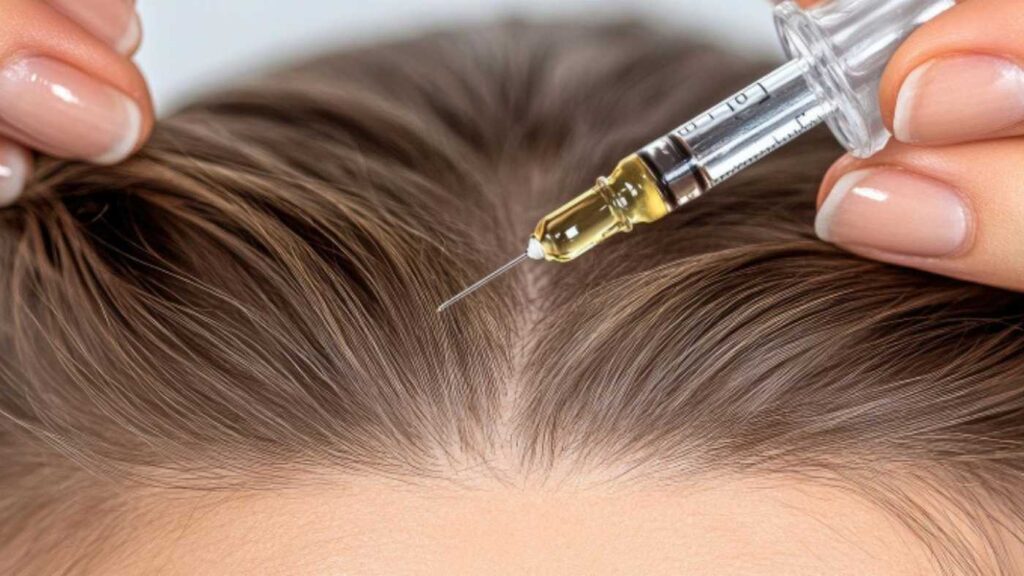
Immediate Sensations After the PRP Procedure
After the PRP session, mild tenderness, tightness, or a warm sensation on the scalp is commonly experienced. These sensations usually occur at the injection sites and are considered a normal response to the procedure.
Some individuals may notice slight redness or pinpoint swelling where the injections were administered. These effects are temporary and generally subside within a few hours to one day. Applying cold compresses may be advised to reduce mild discomfort.
First 24 Hours of PRP Recovery
The first 24 hours after PRP treatment are important for initial healing. During this period, patients are usually advised to avoid touching or scratching the scalp excessively.
Washing the hair may be restricted for a short time after the procedure. This helps prevent irritation and allows the scalp to recover properly. Strenuous physical activities, heavy sweating, and direct sun exposure are also commonly discouraged during the initial recovery phase.
Scalp Care During Early Recovery
Proper scalp care supports healing and comfort. Gentle handling of the treated area is recommended, including avoiding harsh hair products or chemical treatments for a short period.
Mild itching or sensitivity may occur as part of the natural healing response. Using recommended shampoos and avoiding excessive heat styling can help protect the scalp during this phase.
Common Side Effects and Their Duration
PRP recovery is generally associated with minimal side effects. The most commonly reported effects include mild swelling, redness, temporary bruising, or scalp tenderness.
These symptoms usually resolve within a few days without the need for medical intervention. In rare cases, prolonged discomfort may occur, and medical advice should be sought if symptoms persist or worsen.
Activity Restrictions After PRP Treatment
Most individuals can return to normal daily activities shortly after PRP therapy. However, certain precautions are often advised during the initial recovery period.
Avoiding intense exercise, swimming, sauna use, or heavy sweating for a short time helps reduce irritation and supports optimal healing. Maintaining a clean scalp environment is also recommended during this phase.
Hair Washing and Grooming After PRP
Hair washing is usually permitted after a specified waiting period, which may vary based on treatment protocol. Gentle shampooing with lukewarm water is commonly recommended.
Styling products, chemical treatments, or aggressive scalp massage should be avoided temporarily. Allowing the scalp to recover naturally supports comfort and reduces the risk of irritation.
When Can I Resume Normal Hair Care Routine?
Most individuals can gradually resume their regular hair care routine within a few days. This includes light styling and the use of regular hair products, as long as the scalp is comfortable and free from irritation.
If any discomfort persists, it is advisable to continue gentle care practices and consult during follow-up visits for guidance.
Expected Timeline for Visible Results
PRP recovery does not involve immediate cosmetic changes. Hair growth is a gradual biological process, and visible improvements typically take weeks to months to appear.
Some individuals first notice reduced hair shedding, followed by gradual improvement in hair texture and density. Results vary based on individual response, consistency with sessions, and overall scalp health.
Follow-Up Visits and Ongoing Recovery
Follow-up appointments play an important role in monitoring recovery and evaluating treatment response. These visits allow progress to be assessed and help determine whether additional PRP sessions or maintenance treatments are required.
Ongoing communication during follow-up helps address concerns and ensures that recovery remains on track.
Long-Term Care After PRP Treatment
Long-term scalp care and consistent follow-up sessions may be recommended to help maintain results. Healthy lifestyle habits, balanced nutrition, and proper hair hygiene also contribute to sustained hair health.
PRP is often considered a supportive treatment rather than a permanent solution, and maintenance sessions may be part of long-term care planning.
Safety Considerations During Recovery
PRP recovery is generally safe when post-procedure guidelines are followed. Because PRP uses the patient’s own blood, the risk of allergic reaction is minimal.
Maintaining hygiene, avoiding unnecessary scalp manipulation, and attending follow-up appointments contribute to a safe recovery experience.
Final Thoughts on PRP Recovery
PRP recovery is typically smooth and involves minimal downtime. Most individuals can return to daily activities quickly while allowing the scalp to heal naturally.
For individuals undergoing PRP treatment in Palakkad, understanding the recovery process helps improve compliance with aftercare instructions and supports realistic expectations. Following professional guidance and maintaining consistent follow-up care are important steps in achieving optimal treatment outcomes.
Table of Content
PRP (Platelet-Rich Plasma) is a regenerative treatment that uses a patient’s own blood to promote natural healing, reduce inflammation, and repair damaged tissues without surgery. Learn more
PRP hair treatment is suitable for individuals experiencing early to moderate hair loss or thinning who want a non-surgical solution to strengthen hair and promote natural regrowth. Learn more
The cost of PRP treatment varies depending on the condition treated and the number of sessions required. Learn more
During a PRP consultation, you can expect a clear explanation of your hair condition, realistic treatment outcomes, and a personalized plan tailored to your hair regrowth goals. Learn more
Before starting PRP treatment for hair, you should ask about suitability, expected results, number of sessions required, safety, and post-treatment care to make an informed decision. Learn more
PRP hair treatment has minimal risks, mostly temporary, when performed under proper medical care. Learn more
Preparing properly for PRP therapy helps improve treatment comfort, safety, and overall hair health outcomes. Learn more
The PRP procedure involves drawing blood, processing it to concentrate platelets, and injecting the platelet-rich plasma into targeted areas of the scalp. Learn more
Results may include reduced hair fall, improved hair thickness, and gradual stimulation of new hair growth over time. Learn more
Important terms include platelet-rich plasma, growth factors, centrifugation, scalp injections, and maintenance sessions. Learn more
Before-and-after results often show improved hair density, stronger strands, and better scalp coverage with repeated sessions. Learn more
Frequently Asked Questions
1. How long does PRP recovery usually take?
PRP recovery is generally quick, and most individuals experience only mild scalp sensitivity that settles within a few days.
2. Can I wash my hair immediately after PRP treatment?
Hair washing is usually advised after a short waiting period, depending on post-procedure instructions.
3. Is there swelling after PRP injections?
Mild swelling or redness at injection sites may occur and typically resolves within a short time.
4. When can I return to normal activities after PRP therapy?
Most people can resume daily activities the same day or the next day, avoiding strenuous exercise initially.
5. Is itching normal during PRP recovery?
Mild itching can occur as part of the healing process and usually improves on its own.
6. Do I need to avoid sunlight after PRP treatment?
Direct sun exposure is often limited for a short period to reduce scalp irritation.
7. When will I start seeing results after PRP treatment?
Visible changes usually develop gradually over several weeks to months.
8. Are there any restrictions on hair styling after PRP?
Heavy styling, chemical treatments, and heat tools are commonly avoided for a short period after the procedure.
9. Do I need follow-up visits after PRP therapy?
Follow-up appointments help monitor recovery and plan future sessions if needed.
10. Is PRP recovery different for everyone?
Yes, recovery experiences can vary based on scalp sensitivity, treatment area, and individual healing response.

