
How to Choose the Right Doctor for PRP Treatment
How to choose the right doctor for PRP treatment is one of the most important considerations for anyone planning PRP hair therapy in Palakkad. PRP (Platelet-Rich Plasma) treatment is a medical procedure that requires proper diagnosis, technical expertise, and a deep understanding of hair loss patterns. The success of PRP largely depends on who performs the procedure, how it is prepared, and how the treatment plan is customized for your condition.
This guide explains exactly how to choose the right doctor for PRP treatment, helping you make a safe, informed, and confident decision.
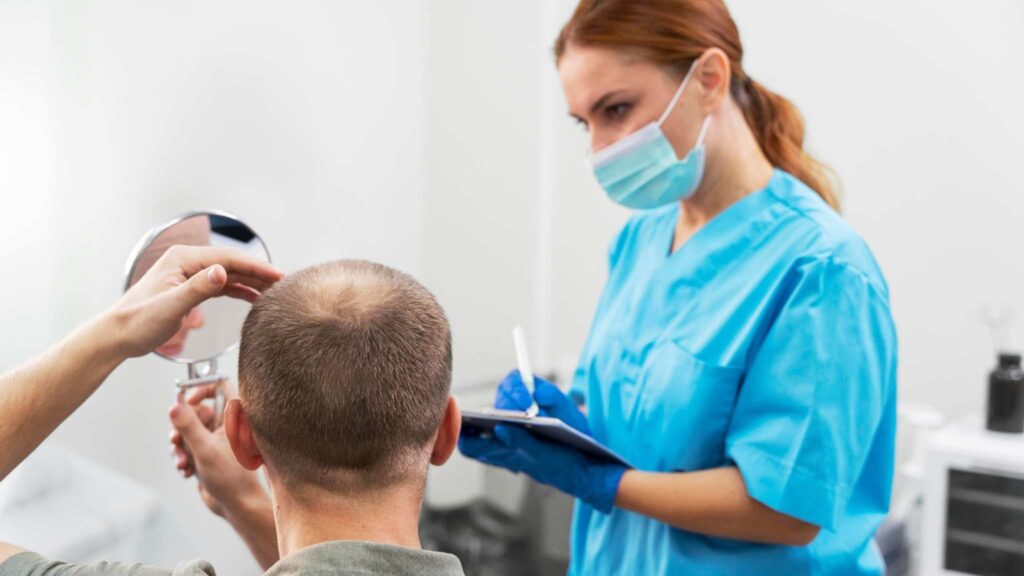
Understand That PRP Is a Medical Procedure
PRP is not a cosmetic add-on or spa treatment. It involves blood collection, centrifugation, and precise scalp injections. Because it directly affects your scalp and hair follicles, PRP must be performed by a qualified medical professional trained in hair and scalp treatments.
Choosing a doctor who understands the medical science behind PRP is essential to ensure safety, effectiveness, and long-term results.
Look for Proper Medical Qualifications
The first step in choosing the right doctor for PRP treatment is verifying medical qualifications. The doctor should have formal training in diagnosing hair loss conditions and managing scalp health.
Hair loss can be caused by multiple factors such as genetics, hormonal imbalance, nutritional deficiencies, stress, or medical conditions. A properly qualified doctor will identify the root cause before recommending PRP.
Experience Matters More Than Equipment
Advanced machines alone do not guarantee good results. PRP success depends heavily on the doctor’s experience in handling different hair loss cases.
An experienced PRP doctor will:
Identify suitable candidates for PRP
Customize injection depth and spacing
Select the right treatment intervals
Combine PRP with supportive therapies if needed
Experience ensures that PRP is not performed blindly but tailored to your hair condition.
Ensure Proper Diagnosis Before Treatment
A reliable doctor will never rush you into PRP without evaluation. Proper diagnosis includes scalp examination, medical history review, and understanding the pattern and stage of hair loss.
PRP works best when hair follicles are weak or dormant, not completely dead. A good doctor will clearly explain whether PRP is suitable for your condition or if alternative treatments are needed.
Ask About PRP Preparation Method
Not all PRP preparations are the same. The quality of PRP depends on how it is prepared and the concentration of platelets achieved.
The right doctor should:
Use medical-grade centrifugation equipment
Follow strict sterilization protocols
Prepare PRP fresh for each session
Ensure adequate platelet concentration
This directly impacts treatment effectiveness.
Transparency About Results and Limitations
One of the most important signs of a trustworthy PRP doctor is honesty. PRP is effective, but it is not a miracle cure.
A good doctor will:
Set realistic expectations
Explain that PRP does not create new follicles
Clarify that results are gradual
Discuss the need for multiple sessions
Avoid doctors who promise instant or guaranteed regrowth.
Individualized Treatment Planning
Hair loss varies from person to person. The right doctor for PRP treatment will never use a one-size-fits-all approach.
Treatment planning should include:
Number of sessions required
Gap between sessions
Maintenance sessions
Supportive care recommendations
Personalized planning improves outcomes and prevents unnecessary treatments.
Emphasis on Safety and Hygiene
PRP involves blood handling and injections, so safety standards are non-negotiable. A reliable doctor follows strict hygiene protocols to prevent infection and complications.
Look for:
Sterile, single-use needles
Proper disposal of medical waste
Clean treatment environment
Clear post-procedure instructions
Safety reflects professionalism.
Clear Communication and Patient Education
The right doctor for PRP treatment will take time to explain the procedure, expected outcomes, and post-treatment care in simple language.
Good communication includes:
Explaining each step of PRP
Answering patient questions patiently
Providing written aftercare instructions
Discussing follow-up plans
This builds trust and confidence.
Ethical Treatment Recommendations
A responsible doctor will recommend PRP only when it is truly beneficial. In some cases, PRP may need to be combined with other treatments or postponed until underlying issues are addressed.
Ethical doctors focus on long-term hair health rather than selling sessions.
Follow-Up and Ongoing Support
PRP results develop over time. The right doctor provides follow-up care to monitor progress and make necessary adjustments.
Follow-up includes:
Assessing hair fall reduction
Evaluating hair thickness improvement
Planning maintenance sessions
Managing side effects if any
Ongoing care is a sign of quality treatment.
Understanding Cost vs Value
Cost should never be the only deciding factor. Extremely low-cost PRP treatments may compromise quality, hygiene, or expertise.
Instead of focusing only on price, evaluate:
Doctor’s experience
Quality of PRP preparation
Safety standards
Long-term results
Value matters more than cost.
Avoid Non-Medical PRP Providers
PRP should not be performed by non-medical personnel or in non-clinical settings. Choosing a medically trained doctor ensures correct diagnosis, safe execution, and proper management of complications.
Always prioritize medical expertise over convenience.
Importance of Scalp Health Knowledge
PRP works best on a healthy scalp. The right doctor will address scalp conditions such as dandruff, inflammation, or infections before starting PRP.
Healthy scalp preparation enhances PRP absorption and effectiveness.
PRP as Part of a Long-Term Hair Strategy
The right doctor views PRP as part of a long-term hair management plan, not a standalone fix. This approach focuses on maintaining results and slowing hair loss progression.
Long-term planning improves patient satisfaction and outcome stability.
Making an Informed Decision
Choosing the right doctor for PRP treatment requires research, consultation, and clear communication. Understanding the doctor’s approach, experience, and ethics helps you avoid ineffective treatments and unrealistic expectations.
Taking time to choose wisely protects both your hair health and your investment.
Final Thoughts on Choosing the Right Doctor for PRP Treatment
PRP hair therapy is a scientifically supported, minimally invasive procedure that can significantly improve hair quality when performed correctly. The expertise of the doctor plays a decisive role in treatment success.
For individuals considering PRP hair treatment in Palakkad, selecting the right doctor ensures safety, realistic expectations, and meaningful long-term results.
Table of Content
PRP (Platelet-Rich Plasma) is a regenerative treatment that uses a patient’s own blood to promote natural healing, reduce inflammation, and repair damaged tissues without surgery. Learn more
PRP hair treatment is suitable for individuals experiencing early to moderate hair loss or thinning who want a non-surgical solution to strengthen hair and promote natural regrowth. Learn more
The cost of PRP treatment varies depending on the condition treated and the number of sessions required. Learn more
During a PRP consultation, you can expect a clear explanation of your hair condition, realistic treatment outcomes, and a personalized plan tailored to your hair regrowth goals. Learn more
Before starting PRP treatment for hair, you should ask about suitability, expected results, number of sessions required, safety, and post-treatment care to make an informed decision. Learn more
PRP hair treatment has minimal risks, mostly temporary, when performed under proper medical care. Learn more
Preparing properly for PRP therapy helps improve treatment comfort, safety, and overall hair health outcomes. Learn more
The PRP procedure involves drawing blood, processing it to concentrate platelets, and injecting the platelet-rich plasma into targeted areas of the scalp. Learn more
Recovery is usually minimal, with possible mild scalp tenderness or redness that settles within a short period. Learn more
Results may include reduced hair fall, improved hair thickness, and gradual stimulation of new hair growth over time. Learn more
Before-and-after results often show improved hair density, stronger strands, and better scalp coverage with repeated sessions. Learn more
Frequently Asked Questions
1. Why is choosing the right doctor important for PRP hair treatment?
The right doctor ensures proper diagnosis, correct PRP preparation, safe injection technique, and better treatment outcomes.
2. What qualifications should a PRP hair treatment doctor have?
The doctor should be medically qualified with training and experience in dermatology or hair loss treatments.
3. Is PRP hair treatment a medical procedure?
Yes, PRP is a medical procedure involving blood extraction, processing, and scalp injections, and should be performed by a trained doctor.
4. How does a proper consultation help before PRP treatment?
A consultation helps assess hair loss type, identify the cause, and determine whether PRP is suitable for the patient.
5. Does the doctor’s experience affect PRP results?
Yes, experienced doctors ensure high-quality PRP preparation and precise injection techniques, which improve results.
6. Should a doctor explain the PRP procedure in detail?
Yes, a reliable doctor will clearly explain the procedure, number of sessions, expected results, and aftercare.
7. Can PRP be combined with other hair loss treatments?
A qualified doctor may combine PRP with medications or topical treatments if needed for better results.
8. Are there risks if PRP is done by an unqualified person?
Improper PRP handling or injection can reduce effectiveness and increase the risk of infection or complications.
9. How do I know if PRP is right for my hair loss?
A doctor evaluates hair loss stage, scalp condition, and medical history before recommending PRP.
10. What questions should I ask a doctor before starting PRP?
You should ask about diagnosis, number of sessions, expected results, risks, recovery, and maintenance.

