
PRP Hair Treatment Procedure
Hair loss and thinning are common concerns that can affect people of different ages. Among the various hair fall treatment options available, Platelet-Rich Plasma (PRP) therapy has gained attention as a non-surgical approach that uses the body’s own healing components to support hair growth. The procedure involves collecting a small sample of blood, concentrating the platelets, and injecting the platelet-rich plasma into targeted areas of the scalp.
Understanding the PRP hair treatment procedure can help individuals know what to expect before, during, and after treatment. This guide explains the complete process, potential benefits, recovery, and factors that may influence treatment outcomes. Learning how PRP fits into a comprehensive hair fall treatment plan can help individuals make informed decisions about managing hair loss and improving overall scalp health.
Table of Contents
- What Is PRP Hair Treatment?
- Who Can Benefit from PRP Hair Treatment?
- Preparation Before the Procedure
- Step-by-Step PRP Hair Treatment Procedure
- How Long Does the Procedure Take?
- What Happens After the Treatment?
- Recovery and Aftercare
- Number of Sessions Required
- Expected Results and Timeline
- Benefits of PRP Hair Treatment
- Possible Side Effects and Risks
- Factors That Affect Treatment Results
- PRP Hair Treatment Cost Considerations
- When to Consult a Hair Specialist
What Is PRP Hair Treatment
Platelet-Rich Plasma (PRP) hair treatment is a non-surgical procedure that uses a concentrated portion of a person’s own blood to support hair growth. Platelets contain growth factors that may help stimulate hair follicles and improve hair density in suitable candidates.
Who Can Benefit from PRP Hair Treatment
PRP hair treatment is commonly considered for individuals experiencing:
- Early-stage hair thinning
- Male pattern hair loss
- Female pattern hair loss
- Increased hair shedding
- Reduced hair density
- Hair weakening after stress or illness
The suitability of PRP varies depending on the underlying cause of hair loss.
Preparation Before the Procedure
Before treatment, a consultation is usually conducted to evaluate scalp health and hair loss patterns. Patients may be advised to:
- Stay hydrated
- Eat a healthy meal before the appointment
- Avoid smoking and alcohol before treatment
- Inform the doctor about medications and medical conditions
- Follow any specific instructions provided during consultation
Step-by-Step PRP Hair Treatment Procedure
Blood Collection
A small amount of blood is drawn from the patient’s arm, similar to a routine blood test.
Centrifugation Process
The collected blood is placed in a centrifuge machine. The machine spins the blood at high speed to separate its components and concentrate the platelet-rich plasma.
Preparation of PRP
After separation, the platelet-rich portion is collected carefully for use in the treatment.
Scalp Preparation
The treatment area is cleaned thoroughly. In some cases, a topical numbing cream may be applied to reduce discomfort.
PRP Injection
The prepared PRP is injected into targeted areas of the scalp where hair thinning or hair loss is present. Multiple small injections are typically administered across the treatment area.
How Long Does the Procedure Take
A PRP hair treatment session generally takes about 45 to 90 minutes, depending on the treatment area and individual requirements.
What Happens After the Treatment
Most individuals can return to normal daily activities shortly after the procedure. Mild scalp sensitivity, redness, or swelling may occur temporarily and usually resolves within a few days.
Recovery and Aftercare
Common aftercare recommendations include:
- Avoid washing hair for the first 24 hours if advised
- Avoid harsh hair treatments for a few days
- Limit excessive sun exposure
- Follow prescribed scalp care instructions
- Attend follow-up appointments as recommended
Number of Sessions Required
The number of sessions varies based on individual hair loss severity. Many treatment plans include:
- Initial series of 3–6 sessions
- Sessions spaced several weeks apart
- Maintenance treatments when recommended
Treatment schedules may differ for each individual.
Expected Results and Timeline
Hair growth changes are gradual. Many individuals may notice:
- Reduced hair shedding within a few months
- Improved hair thickness over time
- Better overall hair density with continued treatment
Results vary from person to person.
Benefits of PRP Hair Treatment
Potential benefits include:
- Minimally invasive procedure
- Uses the patient’s own blood
- Short treatment sessions
- Minimal downtime
- May support healthier hair growth
- Can be combined with other hair restoration approaches
Possible Side Effects and Risks
Because PRP uses the patient’s own blood, serious complications are uncommon. Possible temporary side effects include:
- Mild pain at injection sites
- Scalp tenderness
- Redness
- Swelling
- Minor bruising
A qualified medical professional can discuss individual risks.
Factors That Affect Treatment Results
Several factors may influence outcomes:
- Age
- Type of hair loss
- Duration of hair thinning
- Overall health
- Lifestyle habits
- Treatment consistency
- Individual response to PRP
PRP Hair Treatment Cost Considerations
The cost of PRP hair treatment can vary depending on:
- Number of sessions required
- Clinic facilities
- Treatment area size
- Location
- Additional therapies used alongside PRP
A consultation is usually necessary for an accurate treatment estimate.
When to Consult a Hair Specialist
Consider consulting a hair specialist if you experience:
- Persistent hair fall
- Noticeable hair thinning
- Receding hairline
- Sudden hair loss
- Patchy hair loss
- Reduced hair density affecting daily confidence
Early evaluation may help identify the cause and available treatment options.
Conclusion
PRP hair treatment is a widely used non-surgical procedure designed to support hair growth by utilizing platelet-rich plasma derived from the patient’s own blood. The treatment involves blood collection, platelet concentration, and targeted scalp injections. While results vary among individuals, PRP may help improve hair density and reduce hair shedding when performed as part of a personalized hair restoration plan. Understanding the PRP hair treatment procedure can help individuals make informed decisions about their hair restoration journey. Since every person’s hair loss pattern and response to treatment can differ, results may vary from one individual to another. Following the recommended treatment plan and aftercare instructions can play an important role in achieving the best possible outcome. Consulting a qualified hair specialist can help determine whether the PRP hair treatment procedure is a suitable option based on individual needs and hair health goals. For additional information about hair loss and available treatment approaches, you can visit the American Academy of Dermatology (AAD) . which provides educational information on different types of hair loss and treatment options.
Frequently Asked Questions
The PRP hair treatment procedure is a non-surgical treatment that involves drawing a small amount of blood, separating platelet-rich plasma through a centrifuge process, and injecting it into areas of the scalp affected by hair thinning or hair loss.
A typical PRP hair treatment procedure usually takes between 45 and 90 minutes, depending on the treatment area and individual requirements.
Most people experience only mild discomfort during the PRP hair treatment procedure. A topical numbing cream may be used to help reduce sensitivity during the injections.
The number of sessions varies for each individual. Many treatment plans involve multiple sessions spaced several weeks apart, followed by maintenance treatments if recommended.
Results develop gradually. Some individuals may notice reduced hair shedding within a few months, while improvements in hair thickness and density may become more noticeable over time.
Temporary side effects may include mild redness, swelling, tenderness, or bruising at the injection sites. These effects typically resolve within a few days.
PRP hair treatment may be considered for individuals experiencing hair thinning, early-stage hair loss, or reduced hair density. A consultation can help determine suitability based on individual circumstances.
Most people can return to their normal daily activities shortly after the procedure. However, following the aftercare instructions provided by the healthcare professional is important.
In some cases, PRP hair treatment may be used alongside other hair restoration approaches. The most appropriate treatment plan depends on individual needs and professional evaluation.
The procedure uses platelet-rich plasma derived from the patient’s own blood. The concentrated platelets contain growth factors that may help support the natural function of hair follicles and promote healthier hair growth.
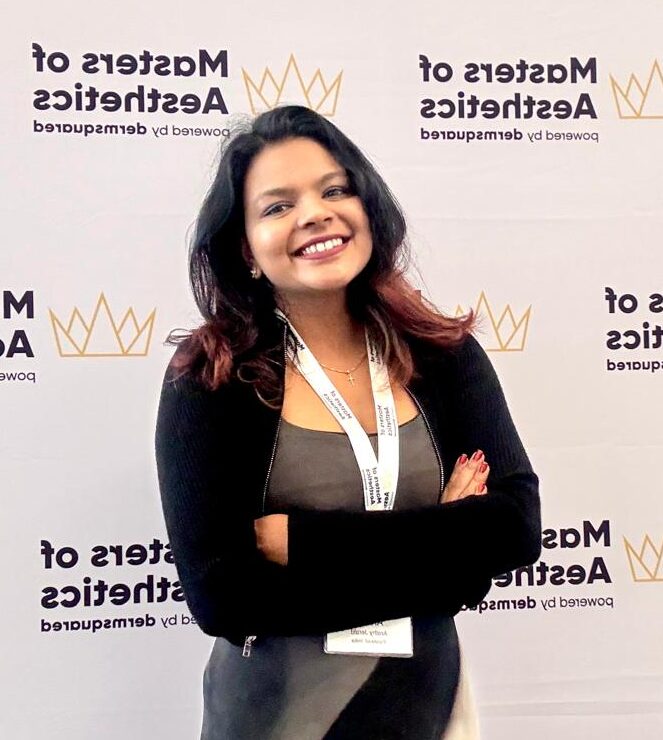
Dr. Arathy Jerald
Dermatologist & Cosmetologist
Dr. Arathy Jerald is an experienced dermatologist and cosmetologist known for providing personalized skin and hair treatments. She focuses on combining medical dermatology with advanced aesthetic procedures to help patients achieve healthy and radiant skin.
Her approach emphasizes understanding each patient's unique concerns and creating customized treatment plans that enhance both skin health and natural beauty.
Revive Skin & Cosmetology Clinic, Palakkad, Kerala

