
Microneedling Procedure: What to Expect Before, During, and After Treatment
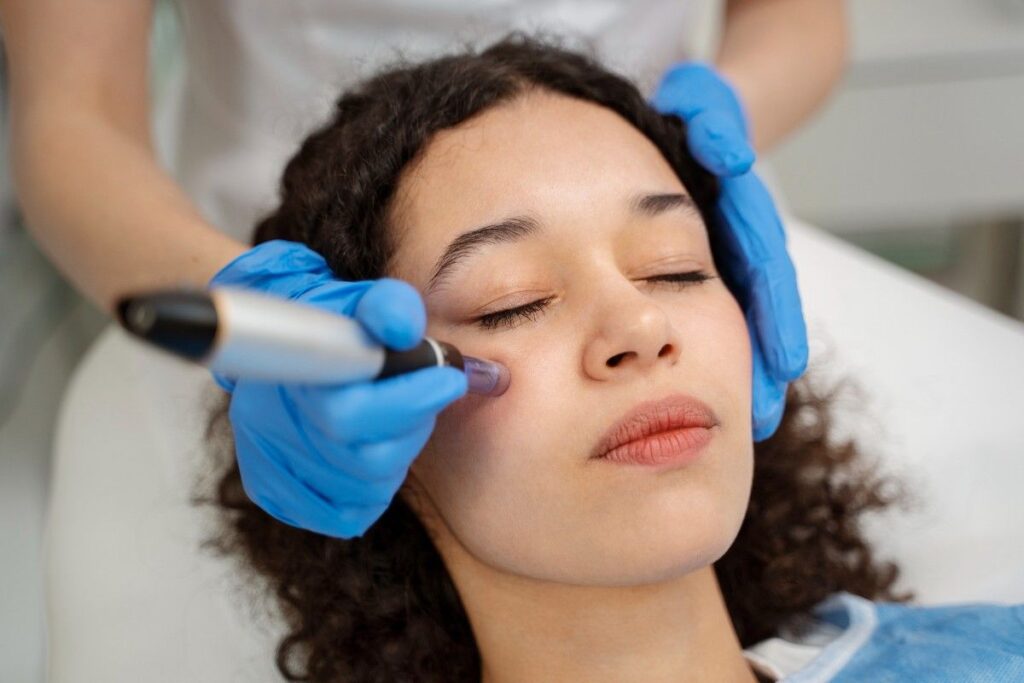
Microneedling Procedure is a popular skin rejuvenation treatment that helps improve skin texture, reduce acne scars, minimize fine lines, and support natural collagen production. As part of a comprehensive Microneedling Treatment, this minimally invasive procedure has become a preferred option for individuals seeking healthier and smoother-looking skin without extensive downtime.
Understanding the Microneedling Procedure can help patients feel confident and prepared before treatment. From consultation and skin assessment to recovery and results, each step plays an important role in achieving the best possible outcome.
What Is a Microneedling Procedure?
A Microneedling Procedure is a cosmetic skin treatment that uses fine, sterile needles to create controlled micro-injuries in the skin. These tiny punctures stimulate the body’s natural healing response and encourage collagen and elastin production.
Collagen is one of the most important proteins responsible for maintaining skin firmness, elasticity, and smoothness. As collagen production increases, the skin gradually becomes healthier, stronger, and more youthful in appearance.
The Microneedling Procedure is commonly performed on the face but may also be used on the neck, chest, hands, and other areas requiring skin rejuvenation.
How Microneedling Works
The Microneedling Procedure works by triggering the skin’s natural repair mechanisms.
When tiny needles penetrate the skin:
- Controlled micro-channels are created
- Growth factors are activated
- Collagen production increases
- Elastin synthesis improves
- Skin renewal accelerates
This healing response helps improve various skin concerns over time. The process continues even after the treatment session is completed, leading to gradual improvements in skin quality.
Conditions Treated with Microneedling
A Microneedling Procedure may be recommended for several cosmetic concerns, including:
Acne Scars
Microneedling helps break down old scar tissue and promotes healthier skin regeneration.
Fine Lines and Wrinkles
Increased collagen production may soften the appearance of aging signs.
Enlarged Pores
Many patients notice improved skin texture and reduced pore visibility.
Uneven Skin Texture
The treatment supports smoother and more refined skin.
Stretch Marks
Microneedling can help improve the appearance of stretch marks by encouraging tissue remodeling.
Hyperpigmentation
Certain forms of pigmentation may improve with appropriate treatment planning.
Initial Consultation and Skin Assessment
Before undergoing a Microneedling Procedure, a professional skin assessment is usually performed.
During consultation, several factors are evaluated:
- Current skin condition
- Medical history
- Previous cosmetic treatments
- Active skin infections
- Acne severity
- Scarring patterns
- Treatment goals
This assessment helps determine whether the Microneedling Procedure is suitable and allows the development of an individualized treatment plan.
Patients can also discuss expectations, recovery time, and potential outcomes during the consultation.
Preparing for a Microneedling Procedure
Proper preparation can contribute to a smoother treatment experience.
Common pre-treatment recommendations may include:
- Avoid excessive sun exposure
- Stay hydrated
- Use gentle skincare products
- Avoid harsh exfoliants
- Inform the provider about medications
- Follow all personalized instructions
Preparation helps minimize irritation and supports better healing after the Microneedling Procedure.

Step-by-Step Microneedling Procedure
Understanding the treatment process helps reduce anxiety and allows patients to know what to expect.
Step 1: Cleansing the Skin
The treatment area is thoroughly cleansed to remove dirt, oil, and makeup.
Step 2: Application of Numbing Cream
A topical anesthetic is often applied to increase comfort during the Microneedling Procedure.
The numbing cream is usually left on the skin for approximately 20–30 minutes.
Step 3: Skin Preparation
Once the skin is numb, the area is cleaned again before treatment begins.
Step 4: Microneedling Treatment
A specialized microneedling device is moved across the treatment area.
The device creates controlled micro-channels at specific depths depending on:
- Treatment goals
- Skin thickness
- Scar severity
- Target area
Step 5: Application of Serums
Following the Microneedling Procedure, beneficial serums may be applied.
The temporary micro-channels may improve the absorption of selected skincare ingredients.
Step 6: Post-Treatment Care
Protective products are applied to calm the skin and support healing.
The entire Microneedling Procedure generally takes between 45 and 90 minutes.
What Happens Immediately After Treatment?
After a Microneedling Procedure, the skin commonly appears:
- Pink
- Red
- Slightly swollen
- Sensitive to touch
Many patients compare the sensation to a mild sunburn.
These temporary effects are part of the normal healing process and usually improve within a few days.
The skin may also feel:
- Tight
- Warm
- Slightly dry
Following aftercare instructions is important during this period.
Recovery and Healing Process
Recovery after a Microneedling Procedure is generally straightforward.
First 24 Hours
- Mild redness
- Slight swelling
- Increased skin sensitivity
Days 2–3
- Redness gradually decreases
- Skin may feel dry
- Light flaking may occur
Days 4–7
- Skin begins to appear smoother
- Texture improvements become noticeable
- Healing continues beneath the surface
Following Weeks
Collagen production continues for several weeks after the Microneedling Procedure, leading to progressive improvements.
Expected Results from Microneedling
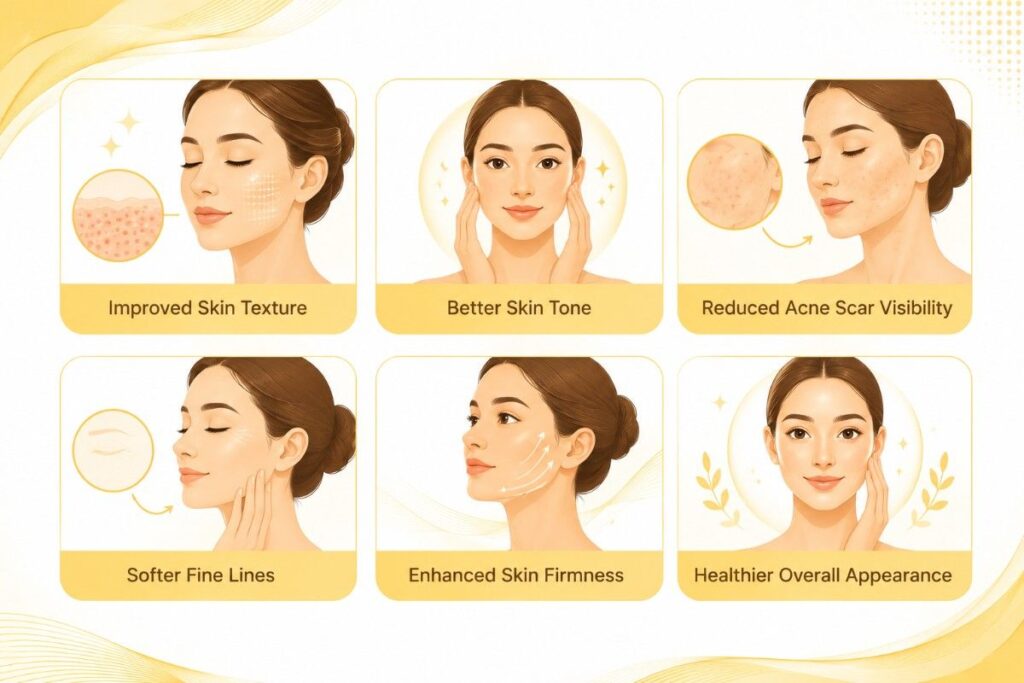
Results from a Microneedling Procedure develop gradually rather than immediately.
Patients may notice:
- Improved skin texture
- Better skin tone
- Reduced acne scar visibility
- Softer fine lines
- Enhanced skin firmness
- Healthier overall appearance
Collagen remodeling continues over time, which contributes to ongoing improvements.
Patience is important because skin regeneration requires time.
Number of Sessions Required
The number of sessions varies according to individual concerns.
Mild Skin Concerns
Many individuals benefit from 3–4 sessions.
Moderate Scarring
Approximately 4–6 sessions may be recommended.
Severe Scarring
Additional sessions may be necessary for optimal improvement.
Treatments are often spaced several weeks apart to allow adequate healing between sessions.
A customized plan helps determine the ideal frequency for the Microneedling Procedure.
Benefits of a Microneedling Procedure
The popularity of the Microneedling Procedure is largely due to its versatility and effectiveness.
Natural Collagen Stimulation
The treatment encourages the body’s own repair mechanisms.
Minimal Downtime
Most patients return to normal activities relatively quickly.
Improved Skin Texture
Skin often feels smoother and more refined.
Reduced Scar Appearance
Acne scars and other textural irregularities may improve.
Enhanced Product Absorption
Temporary micro-channels can support better penetration of certain skincare products.
Suitable for Various Skin Types
The Microneedling Procedure may be customized for different skin concerns and skin types.
Safety and Potential Side Effects
A Microneedling Procedure is generally considered safe when performed by trained professionals.
Temporary side effects may include:
- Redness
- Swelling
- Mild discomfort
- Dryness
- Flaking
Rare complications may occur if proper treatment protocols are not followed.
Following professional aftercare instructions significantly supports safe recovery.
Who Is a Good Candidate?
Many individuals seeking skin rejuvenation may be suitable candidates for a Microneedling Procedure.
Good candidates often include people who have:
- Acne scars
- Fine lines
- Enlarged pores
- Uneven skin texture
- Mild pigmentation concerns
- Early signs of aging
However, treatment suitability should always be determined during consultation.
Tips for Better Results
To maximize outcomes after a Microneedling Procedure:
- Follow all aftercare instructions
- Use sunscreen daily
- Stay hydrated
- Avoid excessive sun exposure
- Maintain a consistent skincare routine
- Attend recommended follow-up sessions
Healthy lifestyle habits can also support long-term skin improvement.
Conclusion
A Microneedling Procedure is an effective skin rejuvenation treatment designed to stimulate collagen production, improve texture, and address concerns such as acne scars, fine lines, and uneven skin tone. Understanding each stage of the Microneedling Procedure—from consultation and preparation to treatment and recovery—helps patients make informed decisions about their skincare journey.
As an important component of a comprehensive Microneedling Treatment, this procedure offers gradual and natural-looking improvements with minimal downtime. For additional evidence-based information about skin rejuvenation and microneedling, visit the American Academy of Dermatology.
Table of Contents
Microneedling Treatment
Complete guide to microneedling treatment, benefits, procedure, recovery, and skin rejuvenation results.
Learn MoreTreatment Cost
Understand pricing factors and what influences microneedling treatment costs.
Learn MoreBenefits
Explore how microneedling helps improve skin texture, scars, and overall appearance.
Learn MoreFrequently Asked Questions

Dr. Arathy Jerald
Dermatologist & Cosmetologist
Dr. Arathy Jerald is an experienced dermatologist and cosmetologist known for providing personalized skin and hair treatments. She focuses on combining medical dermatology with advanced aesthetic procedures to help patients achieve healthy and radiant skin.
Her approach emphasizes understanding each patient's unique concerns and creating customized treatment plans that enhance both skin health and natural beauty.
Revive Skin & Cosmetology Clinic, Palakkad, Kerala

