
Does PRP Really Work for Hair Loss? What You Need to Know
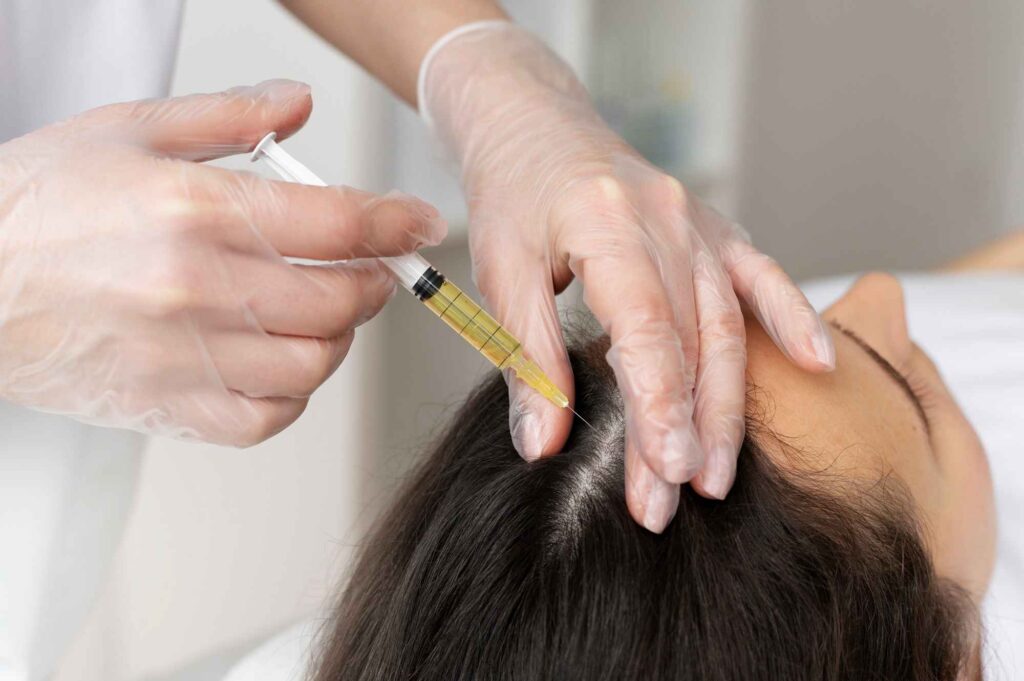
Hair loss affects millions of people and can have a significant impact on confidence and appearance. As interest in non-surgical solutions continues to grow, Platelet-Rich Plasma (PRP) therapy has become one of the most discussed treatment options. Many individuals researching effective hair fall treatment solutions often ask the same question: does PRP really work for hair loss?
PRP therapy uses components from a person’s own blood to support the body’s natural healing processes. In recent years, it has gained attention for its potential role in improving hair density, strengthening existing hair follicles, and encouraging healthier hair growth. Understanding how PRP works, who may benefit from it, and what results can realistically be expected can help individuals make informed decisions about hair restoration.
What Is PRP Therapy?
Platelet-Rich Plasma therapy is a regenerative treatment that uses a concentrated portion of a patient’s blood containing platelets and growth factors.
The procedure generally involves:
- Drawing a small blood sample
- Separating platelet-rich plasma through centrifugation
- Injecting the concentrated plasma into targeted scalp areas
The growth factors present in platelets are believed to support tissue repair and stimulate hair follicles.
How Does PRP Work for Hair Loss?
To understand whether PRP really works for hair loss, it is important to understand its mechanism.
Hair follicles naturally go through growth, resting, and shedding phases. Various factors can disrupt this cycle, including:
- Genetics
- Hormonal changes
- Stress
- Nutritional deficiencies
- Medical conditions
PRP therapy aims to improve the environment around hair follicles by delivering concentrated growth factors directly into the scalp.
Potential effects include:
- Increased blood supply to hair follicles
- Improved follicle nourishment
- Enhanced follicle activity
- Support for thicker hair growth
- Reduction in hair shedding
Why Has PRP Become Popular for Hair Loss?
PRP therapy has become increasingly popular because it offers several advantages compared to more invasive procedures.
These include:
Non-Surgical Treatment
PRP does not require incisions or extensive recovery time.
Uses the Body’s Own Resources
Because the treatment uses the patient’s own blood, the risk of allergic reactions is generally minimized.
Minimal Downtime
Most individuals return to normal activities shortly after treatment.
Can Be Combined With Other Treatments
PRP is often incorporated into broader hair restoration plans.
Does PRP Really Work for Hair Loss?
The short answer is that PRP may help improve hair growth in many individuals, particularly when hair follicles remain active.
Research and clinical experience suggest that PRP can:
- Improve hair density
- Increase hair thickness
- Reduce excessive shedding
- Support healthier scalp conditions
- Strengthen weakened follicles
However, outcomes vary depending on several factors.
Results are not identical for every individual, and PRP should not be viewed as a guaranteed cure for all types of hair loss.
Who May Benefit Most from PRP Therapy?
PRP generally shows the most promising results in individuals experiencing:
Early Hair Thinning
Hair follicles that are still functioning often respond more effectively.
Androgenetic Alopecia
Male and female pattern hair loss are among the most commonly treated conditions with PRP.
Stress-Related Hair Shedding
Some individuals experiencing increased shedding due to stress may benefit from treatment.
Mild to Moderate Hair Loss
People with significant follicle damage or complete baldness may experience limited results.
Who May Not Be an Ideal Candidate?
PRP is not suitable for everyone.
Certain individuals may require alternative treatment approaches.
Examples include:
- Advanced baldness
- Extensive follicle loss
- Certain blood disorders
- Active scalp infections
- Severe medical conditions affecting healing
A thorough evaluation helps determine suitability.
What Happens During a PRP Session?
Understanding the procedure can help answer concerns about effectiveness.
Step 1: Consultation
A scalp examination helps assess hair loss patterns and treatment goals.
Step 2: Blood Collection
A small blood sample is collected.
Step 3: Platelet Separation
The blood is processed to isolate platelet-rich plasma.
Step 4: Scalp Preparation
Target treatment areas are identified.
Step 5: PRP Injection
The platelet-rich plasma is injected into selected scalp regions.
The entire session typically takes less than an hour.
How Many Sessions Are Usually Needed?
PRP is generally not a one-time treatment.
Many treatment plans involve:
Initial Treatment Phase
- Multiple sessions spaced several weeks apart
Maintenance Phase
- Periodic follow-up treatments
The exact number varies based on:
- Hair loss severity
- Individual response
- Treatment goals
Consistency often plays an important role in achieving optimal outcomes.
When Can Results Be Seen?
Hair growth takes time.
PRP results typically develop gradually rather than immediately.
Many individuals notice:
First Few Weeks
- Reduced hair shedding
Following Months
- Improved hair texture
- Increased hair thickness
Long-Term
- Better overall hair density
Patience is important because hair growth cycles naturally require time.
Factors That Influence PRP Results
Several factors can affect treatment success.
Age
Younger individuals with active follicles may respond more favorably.
Hair Loss Stage
Early intervention often produces better outcomes.
Overall Health
Good nutrition and general health support follicle function.
Lifestyle Habits
Smoking, poor diet, and chronic stress can affect results.
Treatment Consistency
Following the recommended treatment schedule is essential.
Benefits of PRP for Hair Loss
Individuals considering PRP often appreciate several potential advantages.
Natural Approach
The treatment uses components already present in the body.
Improved Hair Density
Many patients experience fuller-looking hair.
Stronger Hair Follicles
Growth factors may support follicle health.
Minimal Recovery Time
Most people resume daily activities quickly.
Scalp Health Support
PRP may contribute to a healthier scalp environment.
Possible Limitations of PRP Therapy
While PRP offers potential benefits, realistic expectations remain important.
Limitations may include:
- Variable individual results
- Multiple sessions required
- Gradual improvement rather than immediate changes
- Limited effectiveness in advanced baldness
- Ongoing maintenance treatments may be necessary
Understanding these factors helps set achievable expectations.
PRP Compared to Other Hair Loss Treatments
PRP is one of several available treatment options.
Other approaches may include:
Medications
Certain medications aim to reduce hair loss progression.
Scalp Therapies
Various procedures focus on improving scalp health.
Hair Transplant Procedures
These may be considered for extensive hair loss.
Lifestyle and Nutritional Support
Addressing underlying deficiencies remains important.
Many individuals benefit from a combination approach rather than relying on a single treatment.
Common Myths About PRP Hair Therapy
Myth 1: PRP Works Instantly
Hair growth takes time, and improvements are usually gradual.
Myth 2: One Session Is Enough
Most treatment plans involve multiple sessions.
Myth 3: PRP Works for Everyone
Results vary according to individual factors.
Myth 4: PRP Creates New Hair Follicles
PRP generally aims to support existing follicles rather than create entirely new ones.
Myth 5: PRP Is Only for Men
Both men and women may be candidates for treatment.
Tips for Maximizing PRP Results
To support treatment outcomes:
- Maintain a balanced diet
- Follow scalp care recommendations
- Stay hydrated
- Manage stress effectively
- Attend follow-up sessions
- Address underlying health concerns
- Avoid smoking when possible
These habits help support overall hair health.
Conclusion
So, does PRP really work for hair loss? For many individuals experiencing early to moderate hair thinning, PRP therapy may help improve hair density, strengthen follicles, and reduce shedding. While results vary and ongoing maintenance may be needed, PRP remains a widely used non-surgical option for supporting healthier hair growth. Understanding treatment expectations, maintaining realistic goals, and seeking professional evaluation can help determine whether PRP is the right approach for a particular hair loss concern. When considering does PRP really work for hair loss, it is important to remember that factors such as the underlying cause of hair loss, overall scalp health, and consistency with treatment recommendations can influence outcomes. For additional evidence-based information about hair loss and treatment approaches, For additional evidence-based information about hair loss and treatment approaches, explore resources from the American Academy of Dermatology.
Frequently Asked Questions
1. What happens during a PRP Hair Treatment Consultation?
2. Who should consider a PRP Hair Treatment Consultation?
3. Is scalp analysis necessary before PRP treatment?
4. How long does a PRP Hair Treatment Consultation take?
5. Can PRP help with all types of hair loss?
6. Are any tests required before PRP treatment?
7. How many PRP sessions are usually recommended?
8. Is PRP treatment painful?
9. When can results be expected after PRP treatment?
10. What should I ask during a PRP Hair Treatment Consultation?

Dr. Arathy Jerald
Dermatologist & Cosmetologist
Dr. Arathy Jerald is an experienced dermatologist and cosmetologist known for providing personalized skin and hair treatments. She focuses on combining medical dermatology with advanced aesthetic procedures to help patients achieve healthy and radiant skin.
Her approach emphasizes understanding each patient's unique concerns and creating customized treatment plans that enhance both skin health and natural beauty.
Revive Skin & Cosmetology Clinic, Palakkad, Kerala

