
What Is a Carbon Laser Peel and How Does It Work: Procedure Process, Skin Benefits, and Treatment Overview
Carbon laser peel is a non-invasive dermatological procedure designed to improve skin texture, tone, and clarity using laser technology and a specialized carbon solution. Individuals in Palakkad often explore this treatment to address concerns such as dull skin, excess oil, enlarged pores, and uneven skin appearance. The procedure focuses on gentle exfoliation and skin rejuvenation without surgical intervention.
This treatment combines medical-grade carbon lotion and laser energy to target impurities on the skin surface while stimulating collagen activity beneath the skin. It is commonly used as part of dermatology-based cosmetic skin care plans and is performed in controlled clinical settings.
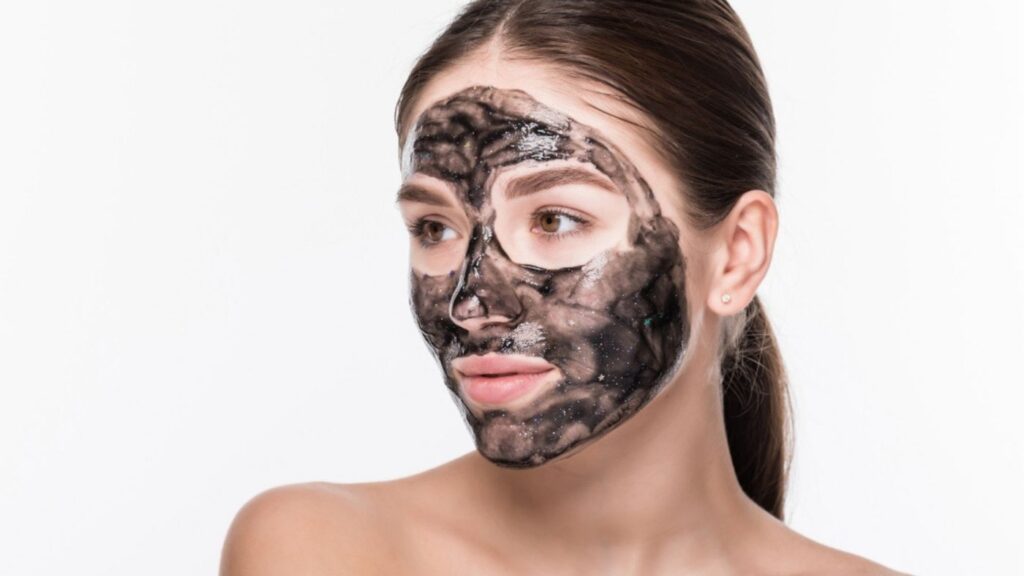
1. Understanding Carbon Laser Peel
Carbon laser peel is a skin treatment that uses a thin layer of liquid carbon applied to the face, followed by laser application. The carbon absorbs oil, dirt, and dead skin cells from pores. When laser energy is applied, it removes the carbon along with impurities, helping cleanse and exfoliate the skin.
This process promotes smoother skin and supports improved skin tone over time. It is considered a superficial procedure focused on surface-level rejuvenation rather than deep tissue alteration.
2. Purpose of the Procedure
The main purpose of carbon laser peel is to refresh the skin and improve overall skin quality. It is commonly used to manage:
Oily skin
Enlarged pores
Uneven skin tone
Mild pigmentation
Acne-prone skin
Dull skin texture
The procedure aims to support natural skin renewal rather than dramatically changing skin structure.
3. How Carbon Laser Peel Works
The treatment works in two main stages. First, the carbon lotion is applied to the skin and allowed to penetrate pores. The carbon particles attach to impurities and dead skin cells.
In the second stage, laser energy targets the carbon layer. The heat from the laser breaks down carbon particles and removes them along with surface debris. This process exfoliates the skin and stimulates collagen activity, supporting gradual skin improvement.
4. Role of Carbon in the Treatment
Carbon plays a key role in absorbing oil, bacteria, and impurities from the skin. Because it penetrates into pores, it allows the laser to act more precisely on areas where oil and debris accumulate.
This helps improve pore appearance and skin clarity. Carbon also enhances the effectiveness of laser interaction with the skin surface.
5. Laser Technology Used
The laser used in carbon peel procedures delivers controlled energy to the skin. This energy helps remove the carbon layer and promotes mild thermal stimulation of the skin.
This stimulation supports collagen activity, which contributes to smoother and firmer skin over time. The laser settings are adjusted according to skin type and treatment goals
6. Procedure Steps
The carbon laser peel typically follows structured steps:
Skin cleansing to remove makeup and surface impurities
Application of liquid carbon evenly across the treatment area
Allowing carbon to settle into pores
Laser application targeting the carbon layer
Removal of carbon particles and debris
Post-treatment skin soothing
Each step is designed to support safe and controlled skin exfoliation.
7. Areas Commonly Treated
Carbon laser peel is primarily used on facial skin. It may also be used on areas such as:
Neck
Upper back
Shoulders
These areas are chosen based on skin concerns such as oiliness or uneven texture.
8. Skin Concerns Addressed
The treatment is commonly considered for mild to moderate skin concerns, including:
Acne-related skin issues
Oily skin
Open pores
Uneven tone
Rough texture
It supports improvement rather than acting as a solution for severe skin conditions.
9. Suitability for Different Skin Types
Carbon laser peel is generally considered suitable for various skin types. However, suitability depends on skin sensitivity, active infections, and underlying skin conditions.
Dermatological assessment is usually recommended before treatment to determine whether the procedure aligns with individual skin needs.
10. Sensation During the Procedure
During the treatment, individuals may feel mild warmth or tingling as the laser interacts with the carbon layer. The procedure is typically brief and designed to minimize discomfort.
The sensation varies depending on skin sensitivity and treatment intensity.
11. Immediate Skin Response
After the procedure, the skin may appear refreshed and cleaner. Some individuals notice a smoother feel and reduced oiliness shortly after treatment.
Temporary redness may occur but usually subsides within a short time.
12. Gradual Skin Improvement
Collagen stimulation contributes to gradual improvement over time. Repeated sessions may support ongoing skin clarity and better texture.
These changes develop progressively rather than instantly.
13. Frequency of Treatment
The frequency of carbon laser peel sessions depends on skin goals and condition. Some individuals undergo periodic sessions to maintain skin clarity and manage oil production.
Treatment planning is usually individualized.
14. Safety Considerations
The procedure is generally performed using controlled laser settings and professional protocols. Safety depends on proper assessment, equipment use, and adherence to dermatological guidelines.
Individuals with active skin infections or severe irritation may require postponement of treatment.
15. Aftercare Practices
Aftercare supports skin recovery and treatment effectiveness. Common recommendations include:
Gentle skin cleansing
Avoiding harsh products
Sun protection
Maintaining hydration
These steps help maintain treatment benefits and prevent irritation.
16. Role in Skin Care Routine
Carbon laser peel is often integrated into broader skin care routines that include cleansing, moisturizing, and protection.
It is considered a supportive procedure that complements regular skin care practices.
17. Expected Skin Texture Changes
Many individuals notice smoother skin texture over time as dead skin layers are removed and collagen support increases.
This contributes to improved skin appearance and better surface quality.
18. Impact on Oil Production
The procedure may help regulate oil activity by cleaning pores and reducing buildup.
This can support better skin balance, particularly for individuals with oily skin concerns.
19. Limitations of the Treatment
Carbon laser peel focuses on surface-level skin concerns. It may not address deep pigmentation, scars, or severe skin disorders.
Understanding its scope helps set realistic expectations.
20. Final Overview
Carbon laser peel is a dermatological procedure designed to cleanse, exfoliate, and support skin rejuvenation using carbon application and laser energy. The treatment focuses on improving surface skin quality, oil balance, and overall clarity through controlled, non-invasive techniques.
For individuals considering carbon laser peel in Palakkad, understanding how the procedure works, its purpose, and its gradual effects helps in making informed decisions about skin care and treatment planning.
Frequently Asked Questions
1. What is a carbon laser peel?
A carbon laser peel is a non-invasive dermatology procedure that uses liquid carbon and laser energy to cleanse, exfoliate, and improve skin texture.
2. How does a carbon laser peel work?
The treatment uses a carbon solution that absorbs impurities, and a laser removes the carbon along with dead skin cells and excess oil.
3. Is carbon laser peel suitable for all skin types?
It is generally suitable for many skin types, but a dermatology assessment helps determine individual suitability.
4. What skin concerns can a carbon laser peel address?
It may help with oily skin, enlarged pores, dull skin, mild pigmentation, and uneven skin texture.
5. Is the carbon laser peel procedure painful?
Most individuals feel mild warmth or tingling during the procedure, and discomfort is usually minimal.
6. How long does a carbon laser peel session take?
A typical session usually takes around 20–30 minutes depending on the treatment area.
7. Is there any downtime after a carbon laser peel?
There is usually minimal downtime, and most people can resume daily activities soon after the procedure.
8. How soon can results be noticed after treatment?
Skin may feel cleaner and smoother shortly after the session, while gradual improvement develops over time.
9. How many sessions are needed for better results?
The number of sessions depends on skin condition and treatment goals, and periodic sessions may be recommended.
10. What precautions should be taken after a carbon laser peel?
Sun protection, gentle skincare, and avoiding harsh products help maintain skin health after the procedure.

Dr. Arathy’s Revive Skin & Cosmetology Clinic — where skin health meets beauty with a personal touch. Led by Dr. Arathy Jerald, an experienced and compassionate dermatologist, we are committed to helping you look and feel your best.

