
PRP Therapy Preparation Guidelines
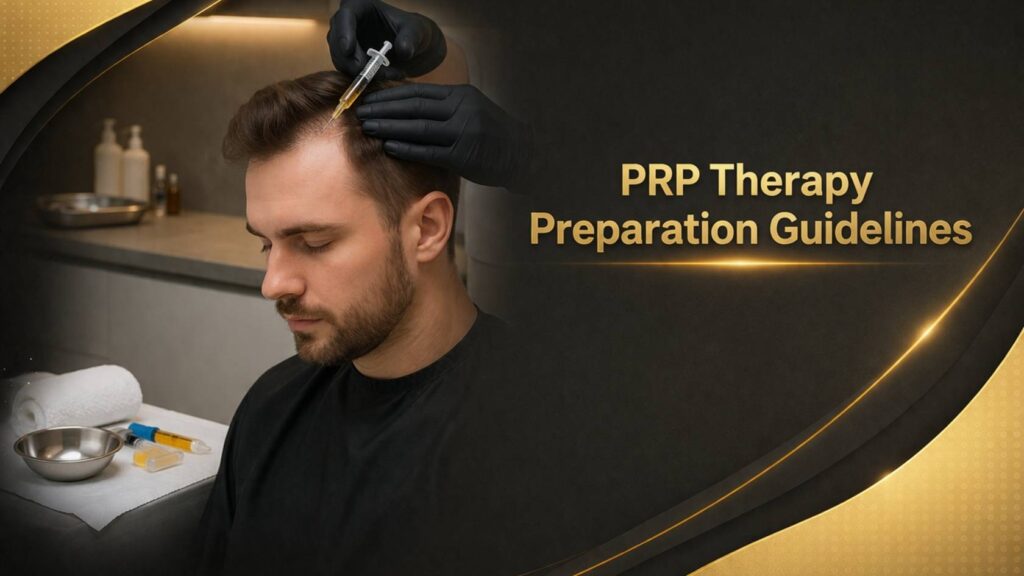
Platelet-Rich Plasma (PRP) therapy is a regenerative treatment that uses the body’s own healing components to repair tissues, stimulate cell growth, and improve overall recovery outcomes in Palakkad. Whether used for hair restoration, skin rejuvenation, joint pain, or other medical purposes, proper preparation plays a crucial role in maximizing the effectiveness and safety of the procedure. Since PRP relies on the quality of your blood platelets, your health status before treatment directly influences the results.
Why Preparation Matters for PRP Therapy
PRP therapy works by extracting a small amount of blood, concentrating platelets through centrifugation, and injecting the platelet-rich plasma into the targeted area. Platelets contain growth factors that stimulate tissue repair and regeneration. If platelet quality is poor due to dehydration, medications, unhealthy habits, or illness, the therapeutic effect may be reduced.
Proper preparation ensures:
- Optimal platelet concentration
- Reduced risk of bleeding or bruising
- Lower chance of infection
- Improved healing response
- More predictable treatment outcomes
Medical Consultation Before PRP
A thorough evaluation is essential before undergoing PRP therapy.
Medical History Review
Patients should disclose all medical conditions, including chronic illnesses, bleeding disorders, autoimmune diseases, and recent infections.
Medication Assessment
Inform the provider about all prescription drugs, over-the-counter medications, vitamins, and herbal supplements. Certain substances can interfere with platelet function or increase bleeding risk.
Allergy Information
Although PRP uses your own blood, products used during the procedure—such as antiseptics or anesthetics—may trigger reactions in sensitive individuals.
Treatment Goals Discussion
Clarifying expectations helps determine the number of sessions required and the anticipated timeline for results.
Medications to Avoid Before PRP
Some medications can reduce platelet activity or increase bleeding risk, potentially affecting treatment effectiveness.
Non-Steroidal Anti-Inflammatory Drugs (NSAIDs)
Medications like ibuprofen, naproxen, and aspirin may impair platelet function. They are typically avoided for about 5–7 days before treatment unless medically necessary.
Blood Thinners
Anticoagulants can increase bleeding and bruising risk. Patients should consult their physician before stopping any prescribed medication.
Steroids
Oral or injectable steroids can interfere with the body’s natural healing response and may reduce PRP effectiveness.
Certain Supplements
Fish oil, vitamin E, ginkgo biloba, garlic supplements, and other products with blood-thinning properties may need to be discontinued temporarily.
Never stop prescribed medications without medical advice.
Hydration Guidelines
Proper hydration is one of the most important yet often overlooked preparation steps.
- Drink plenty of water in the 24–48 hours before treatment
- Avoid dehydration from caffeine or alcohol
- Well-hydrated blood is easier to draw and yields better plasma quality
Dehydration can make blood thicker, complicate the blood draw, and reduce platelet concentration.
Nutrition Before PRP Therapy
A healthy diet supports optimal blood composition and healing capacity.
Recommended Foods
- Lean proteins for tissue repair
- Fruits and vegetables rich in antioxidants
- Whole grains for sustained energy
- Iron-rich foods to support healthy blood levels
- Vitamin C to aid collagen production
Foods to Limit
- Excess sugar
- Processed foods
- High-fat meals immediately before treatment
- Alcohol
Eating a balanced meal a few hours before the procedure can help prevent dizziness during the blood draw.
Lifestyle Modifications Prior to Treatment
Healthy habits enhance both safety and results.
Avoid Smoking
Smoking reduces oxygen delivery to tissues and impairs healing. Ideally, it should be avoided for at least several days before and after PRP therapy.
Limit Alcohol Consumption
Alcohol can thin the blood and dehydrate the body, increasing bruising risk.
Adequate Sleep
Rest supports immune function and tissue repair mechanisms.
Manage Stress
High stress levels may negatively affect recovery and overall health.
Skin and Scalp Preparation (If Applicable)
For treatments involving skin rejuvenation or hair restoration:
- Wash the treatment area thoroughly before the appointment
- Avoid applying lotions, oils, makeup, or styling products
- Do not undergo aggressive skin treatments shortly before PRP
- Inform about any skin infections, rashes, or wounds
Clean, healthy skin reduces infection risk and improves injection accuracy.
Clothing and Practical Considerations
Simple preparations can make the procedure more comfortable.
- Wear loose, comfortable clothing
- Choose attire that allows easy access to the treatment area
- Remove jewelry near the procedure site
- Arrange transportation if sedation or discomfort is expected
Most PRP procedures are outpatient and do not require hospitalization.
What to Expect on the Day of Treatment
Understanding the process reduces anxiety and helps patients feel prepared.
- Blood is drawn from the arm
- The sample is placed in a centrifuge to separate components
- Platelet-rich plasma is extracted
- The PRP is injected into the target area
The entire process typically takes 30–90 minutes depending on the treatment type.
Managing Anxiety Before PRP
Feeling nervous about injections or blood draws is common.
- Practice deep breathing or relaxation techniques
- Ask questions beforehand to understand the procedure
- Bring a companion if allowed
- Focus on the benefits of treatment
Mental preparedness contributes to a smoother experience.
Special Considerations for Certain Individuals
Patients with Chronic Conditions
Conditions such as diabetes or autoimmune disorders may affect healing. Proper control of these conditions before treatment is important.
Older Adults
Age-related changes in platelet function may influence outcomes, though PRP can still be beneficial.
Individuals with Low Platelet Counts
Since PRP depends on platelet concentration, very low counts may limit effectiveness.
Preparation for Multiple Sessions
PRP therapy often requires a series of treatments.
- Maintain healthy habits between sessions
- Follow medication guidelines each time
- Report any new health changes
- Stay consistent with hydration and nutrition
Consistency helps sustain platelet quality across treatments.
Common Mistakes to Avoid Before PRP
Avoiding these errors improves safety and results:
- Skipping meals before the appointment
- Arriving dehydrated
- Taking anti-inflammatory medications without guidance
- Ignoring pre-procedure instructions
- Hiding medical conditions or medications
Honest communication with healthcare providers is essential.
Postponing PRP When Necessary
Treatment may need to be delayed if:
- You have an active infection
- You are experiencing fever or illness
- There is an open wound near the treatment area
- Blood tests show abnormalities
- You recently received certain medications
Rescheduling ensures optimal safety and effectiveness.
Preparing Mentally for Results Timeline
PRP therapy works gradually by stimulating the body’s natural healing mechanisms. Improvements may take weeks to months depending on the condition being treated. Patients should understand that immediate results are not typical.
Setting realistic expectations prevents disappointment and supports satisfaction with long-term outcomes.
Benefits of Proper Preparation
Following preparation guidelines offers several advantages:
- Higher-quality PRP concentration
- Reduced discomfort during the procedure
- Faster recovery
- Lower complication rates
- Enhanced treatment effectiveness
Preparation is a partnership between patient and provider aimed at achieving the best possible outcome.
Final Thoughts
PRP therapy is a safe and minimally invasive regenerative treatment, but its success depends heavily on how well patients prepare beforehand. From medication adjustments and hydration to nutrition and lifestyle habits, each factor influences platelet quality and healing response.
For individuals planning to undergo PRP therapy in Palakkad, careful adherence to preparation guidelines can significantly improve both safety and results. Being proactive, informed, and physically prepared ensures that the body is in the best condition to harness its natural healing potential, making PRP therapy a more effective and rewarding experience.
Frequently Asked Questions
Preparation includes staying well hydrated, eating a healthy meal, avoiding alcohol and smoking, and following medication guidelines provided before the procedure.
Yes. It is recommended to eat a light, nutritious meal a few hours before treatment to prevent dizziness during the blood draw.
Proper hydration improves blood quality, makes the blood draw easier, and helps obtain a better concentration of platelets for effective treatment.
Non-steroidal anti-inflammatory drugs (NSAIDs) like ibuprofen and aspirin may need to be avoided for about 5–7 days prior, as they can affect platelet function. Always consult your healthcare provider first.
Alcohol should be avoided at least 24–48 hours before treatment because it can thin the blood, cause dehydration, and increase bruising risk.
Smoking is not recommended, as it reduces oxygen supply to tissues and may impair healing and treatment effectiveness.
Yes. The treatment area should be clean and free from oils, makeup, lotions, or styling products to reduce infection risk.
Some medications, especially blood thinners or steroids, may need adjustment. Always inform your provider about all medications and supplements.
Wear loose, comfortable clothing that allows easy access to the treatment area and helps you remain relaxed during the procedure.
Treatment may be delayed if you have fever, infection, open wounds near the treatment site, or certain medical conditions that could affect safety or results.
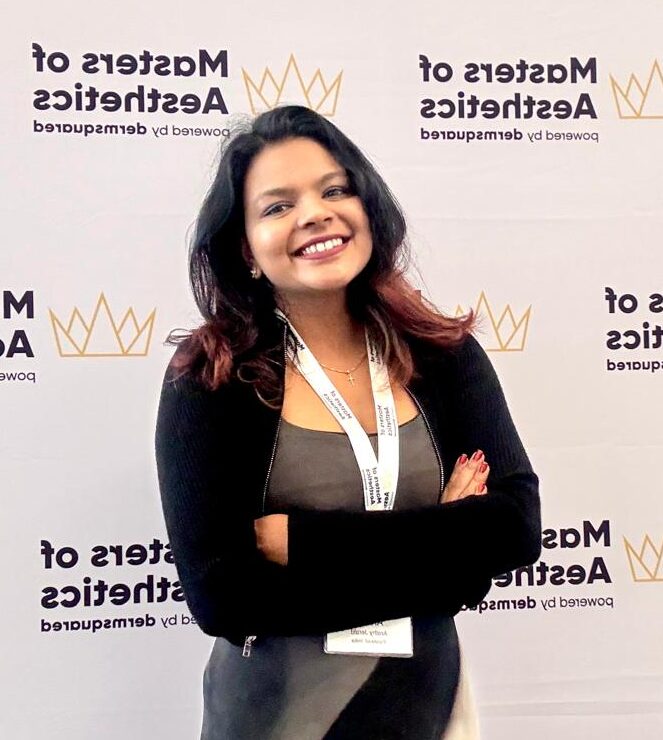
Dr. Arathy Jerald
Dermatologist & Cosmetologist
Dr. Arathy Jerald is an experienced dermatologist and cosmetologist known for providing personalized skin and hair treatments. She focuses on combining medical dermatology with advanced aesthetic procedures to help patients achieve healthy and radiant skin.
Her approach emphasizes understanding each patient's unique concerns and creating customized treatment plans that enhance both skin health and natural beauty.
Revive Skin & Cosmetology Clinic, Palakkad, Kerala

