
PRP Treatment Risks and Side Effects
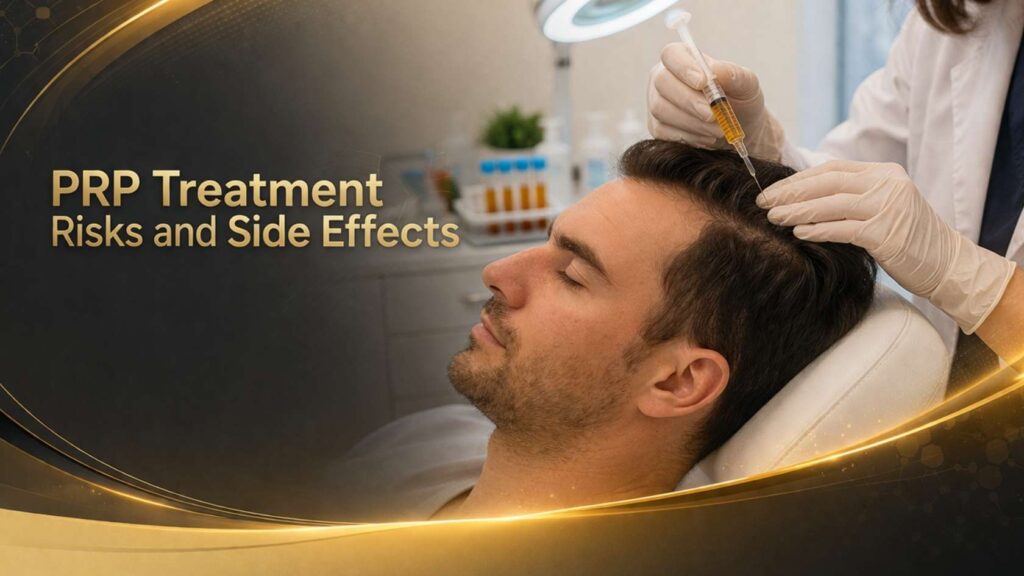
Platelet-Rich Plasma (PRP) therapy for hair loss has gained significant popularity as a natural, non-surgical option to stimulate hair growth and improve scalp health in Palakkad. This treatment uses the patient’s own blood to extract platelet-rich plasma, which is then injected into the scalp to activate dormant hair follicles and promote thicker, stronger hair. While PRP for hair restoration is generally considered safe due to its autologous nature (derived from the patient’s own body), it is still a medical procedure involving injections and biological responses, which means certain risks and side effects may occur.
Understanding these potential effects helps individuals make informed decisions, set realistic expectations, and prepare for the recovery process. Most side effects are mild and temporary, but awareness of possible complications ensures prompt action if needed.
Common Side Effects of PRP Hair Treatment
These are the most frequently experienced reactions and typically resolve on their own within a few days.
1. Scalp Pain or Tenderness
Mild pain or soreness at the injection sites is the most common complaint after PRP for hair. The scalp contains numerous nerve endings, making it particularly sensitive. Discomfort usually peaks within the first 24 hours and gradually improves over the next few days.
2. Swelling of the Scalp
Inflammation triggered by injections and growth factors can cause temporary swelling. In some cases, swelling may extend to the forehead or around the eyes due to gravity, especially when injections are administered near the frontal hairline.
3. Redness and Warmth
Localized redness and warmth indicate increased blood flow and immune activity. These are normal signs of the healing process and usually fade within 24–72 hours.
4. Bruising
Minor bruising can occur when small blood vessels are punctured during injections. Individuals with sensitive skin or those prone to bruising may notice small bluish or purple marks on the scalp.
5. Itching or Tightness
As the scalp heals, itching or a sensation of tightness may occur. This is often due to micro-inflammation and increased circulation.
Temporary Hair-Related Reactions
PRP therapy affects the hair growth cycle, which can lead to short-term changes.
1. Temporary Hair Shedding (Shock Loss)
Some patients experience increased hair shedding in the weeks following treatment. This phenomenon, known as telogen effluvium or shock loss, occurs because weaker hairs are pushed out to make way for stronger new growth. Although alarming, it is usually temporary.
2. Dryness or Flaking of the Scalp
Changes in scalp environment after treatment may cause dryness or mild flaking. Gentle scalp care typically resolves this issue.
3. Increased Sensitivity to Touch
The scalp may remain sensitive for several days, making activities like combing or styling uncomfortable.
Moderate Risks Associated with PRP Hair Therapy
While uncommon, some complications may require attention or medical advice.
1. Infection
Any injection-based procedure carries a risk of infection if sterile techniques are compromised. Signs include persistent redness, swelling, warmth, pus, or fever. Proper hygiene significantly reduces this risk.
2. Prolonged Pain or Inflammation
Most discomfort subsides within a few days, but some individuals may experience longer-lasting inflammation, especially if they have sensitive skin or underlying scalp conditions.
3. Bleeding at Injection Sites
Small amounts of bleeding are normal immediately after injections. However, individuals with bleeding disorders or those taking anticoagulants may experience prolonged bleeding or hematoma formation.
4. Headache
Some patients report mild headaches after scalp injections, likely due to nerve stimulation or muscle tension. These typically resolve without treatment.
Rare but Serious Complications
Serious side effects are extremely rare but possible.
1. Nerve Irritation
Injections near superficial nerves may cause temporary numbness, tingling, or shooting sensations. Most cases resolve spontaneously.
2. Allergic or Sensitivity Reactions
True allergic reactions to PRP itself are nearly impossible because it comes from the patient’s own blood. However, reactions to antiseptics, anesthetics, or topical products used during the procedure can occur.
3. Scar Tissue Formation
Repeated injections in the same area may, in rare cases, lead to fibrous tissue buildup.
4. No Improvement in Hair Growth
PRP effectiveness varies. Some individuals may not respond adequately, especially if hair follicles are severely damaged or inactive.
Factors That Increase Risk of Side Effects
Certain conditions can influence how the body responds to PRP therapy.
1. Existing Scalp Conditions
Dermatitis, psoriasis, infections, or open wounds can increase the risk of complications.
2. Poor Platelet Quality
Health conditions, poor nutrition, or smoking may reduce platelet effectiveness and healing capacity.
3. Medications
Blood thinners, anti-inflammatory drugs, and certain supplements can affect clotting and platelet activity.
4. Smoking and Alcohol Use
These habits impair blood circulation and tissue repair, potentially reducing treatment benefits and increasing adverse effects.
What to Expect Immediately After Treatment
Most individuals can return to normal activities the same day, but certain precautions help minimize side effects:
- Avoid washing hair for at least 12–24 hours
- Refrain from vigorous exercise for one day
- Avoid hair styling products temporarily
- Do not scratch or massage the scalp
- Protect the scalp from direct sun exposure
Following aftercare instructions supports optimal healing and results.
When to Seek Medical Attention
Contact a healthcare provider if any of the following occur:
- Severe or worsening pain
- Persistent swelling beyond one week
- Fever or chills
- Discharge or pus from injection sites
- Spreading redness
- Persistent numbness or weakness
Early evaluation prevents complications from progressing.
Safety Measures That Reduce Risks
Several factors contribute to a safe PRP experience.
Sterile Environment
Using medical-grade sterile equipment minimizes infection risk.
Proper Technique
Accurate injection depth and placement reduce nerve injury and tissue damage.
Patient Evaluation
Assessing medical history ensures suitability for treatment.
Quality PRP Preparation
Proper centrifugation techniques ensure effective platelet concentration.
Misconceptions About PRP for Hair
One common myth is that PRP produces instant hair growth. In reality, hair regeneration occurs gradually over months as follicles respond to growth factors.
Another misconception is that PRP is completely risk-free because it is natural. While safer than many alternatives, it still involves medical procedures and biological responses.
Long-Term Safety and Repeat Sessions
PRP for hair loss often requires multiple sessions for optimal results. Current evidence indicates that repeated treatments are generally safe when properly administered. Because no synthetic substances are injected, long-term adverse effects are rare.
However, maintenance sessions may be needed to sustain hair growth, and outcomes vary depending on individual biology and stage of hair loss.
Preparing for PRP Hair Treatment
Preparation can reduce risks and improve results:
- Stay well hydrated
- Avoid alcohol and smoking before treatment
- Inform about all medications and supplements
- Eat a healthy meal prior to blood draw
- Maintain good scalp hygiene
Healthy blood quality contributes to more effective PRP.
Recovery Timeline
Typical healing progression includes:
First 24 Hours: Tenderness, redness, mild swelling
2–3 Days: Reduced discomfort, possible itching
4–7 Days: Resolution of visible side effects
2–6 Weeks: Possible temporary shedding phase
3–6 Months: Noticeable hair improvement
Individual experiences may vary.
Who Should Avoid PRP for Hair
PRP may not be suitable for individuals with:
- Active scalp infections
- Severe platelet disorders
- Blood cancers
- Uncontrolled chronic illnesses
- Certain autoimmune diseases
- Pregnancy in some cases
A thorough medical evaluation determines eligibility.
Final Thoughts
PRP therapy for hair restoration is widely regarded as a safe, minimally invasive treatment that harnesses the body’s natural healing abilities. Most side effects are mild, short-lived, and manageable, making it an attractive option for those seeking non-surgical hair regrowth solutions.
For individuals considering PRP hair treatment in Palakkad, understanding potential risks and side effects allows for realistic expectations and safer outcomes. Being informed empowers patients to recognize normal healing responses, follow proper aftercare, and seek timely assistance if unusual symptoms arise, ultimately supporting a successful hair restoration journey.
Frequently Asked Questions
PRP hair treatment is generally considered safe because it uses your own blood, reducing the risk of allergic reactions. However, mild side effects like pain, swelling, or redness can occur due to the injection process.
Most side effects such as tenderness, redness, or swelling usually resolve within 2–7 days. Temporary hair shedding may last a few weeks before new growth begins.
Yes, temporary shedding (shock loss) can occur as weak hairs fall out to make way for stronger new growth. This is usually a normal part of the hair cycle reset.
Infections are rare when proper sterile techniques are followed. Signs of infection include persistent redness, swelling, warmth, pus, or fever and require medical attention.
Most patients experience mild to moderate discomfort during and after injections. Numbing cream is often used to reduce pain, and soreness typically subsides within a day or two.
Serious complications are extremely rare. Possible but uncommon risks include nerve irritation, prolonged inflammation, or lack of results.
When performed correctly, PRP does not damage hair follicles. Instead, it aims to stimulate and strengthen them. Improper technique, however, could irritate scalp tissues.
People with active scalp infections, severe blood disorders, platelet dysfunction, or certain chronic illnesses may not be suitable candidates for PRP therapy.
Multiple sessions are usually required for optimal results. Repeated treatments are generally safe when done at appropriate intervals under professional supervision.
Seek medical advice if you experience severe pain, persistent swelling beyond a week, fever, spreading redness, discharge, or numbness.

Dr. Arathy Jerald
Dermatologist & Cosmetologist
Dr. Arathy Jerald is an experienced dermatologist and cosmetologist known for providing personalized skin and hair treatments. She focuses on combining medical dermatology with advanced aesthetic procedures to help patients achieve healthy and radiant skin.
Her approach emphasizes understanding each patient's unique concerns and creating customized treatment plans that enhance both skin health and natural beauty.
Revive Skin & Cosmetology Clinic, Palakkad, Kerala

