
Carbon Laser Peel Safety, Risks, and Possible Side Effects
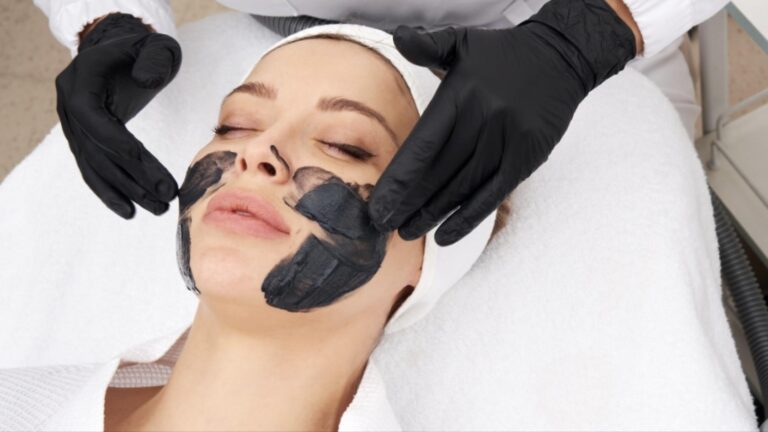
People considering skin rejuvenation treatments often worry about safety before anything else. If you are planning a Carbon Laser Peel in Palakkad, understanding the Carbon Laser Peel risks, safety profile, possible reactions, and realistic expectations helps you feel confident and prepared. Although this procedure is widely regarded as gentle and non-invasive, every cosmetic treatment interacts with living skin — and that means awareness is essential.
This guide explains the complete safety aspects of Carbon Laser Peel, including normal reactions, uncommon complications, rare risks, and how to minimize side effects.
Understanding the Safety Profile of Carbon Laser Peel
Carbon Laser Peel is considered a low-risk cosmetic dermatology procedure because:
-
It does not involve injections
-
It does not remove deep layers of skin
-
It uses controlled laser energy
-
The skin barrier remains mostly intact
-
Downtime is minimal
Unlike aggressive resurfacing treatments, the laser energy targets carbon particles applied on the skin rather than directly damaging tissue. This significantly reduces chances of injury.
However, “low risk” does not mean “zero risk.”
Skin type, sensitivity, medical history, and aftercare habits all influence how your skin responds.
Normal and Expected Reactions After Treatment
These are not complications. They are temporary responses showing that the skin has reacted to the treatment.
1. Mild Redness
How long it lasts: 30 minutes to 3 hours
Why it happens: Increased blood circulation
The laser stimulates the skin and causes temporary flushing similar to mild exercise. This is the most common reaction and usually fades quickly.
2. Slight Warm Sensation
Duration: Up to a few hours
You may feel warmth similar to being in the sun briefly. Cooling gel or a cold compress usually relieves it.
3. Tightness or Dryness
Duration: 1–2 days
The peel removes oil and debris from pores. Because of this deep cleansing effect, your skin may feel tight temporarily.
4. Very Light Flaking
Duration: 1–3 days
Some people notice tiny dry patches. This is mild exfoliation — not visible peeling.
Common Mild Side Effects
These occur occasionally but remain harmless and temporary.
Temporary Sensitivity
Skin may react more strongly to:
-
Sunlight
-
Hot water
-
Active skincare products
Prevention: Avoid harsh skincare for 48 hours.
Minor Breakouts
Sometimes pores purge impurities after treatment.
Important:
This is not acne worsening — it is short-term clearing.
Slight Swelling
More likely in sensitive or thin skin areas.
Usually disappears within a day.
Less Common Side Effects
These occur rarely but can happen, especially if aftercare is ignored.
Hyperpigmentation (Temporary Darkening)
More common in:
-
Recently tanned skin
-
Sun exposure after treatment
-
Very reactive skin types
Usually fades gradually over weeks.
Hypopigmentation (Light Spots)
Very uncommon and typically temporary when settings are appropriate.
Prolonged Redness
If redness lasts more than 24–48 hours, skin barrier irritation may have occurred.
Usually settles with soothing moisturizers.
Rare Complications
Serious complications are uncommon but important to understand.
Burns or Blisters
Possible if:
-
Laser intensity is unsuitable
-
Skin recently underwent aggressive treatments
-
Active infections exist
Professional assessment prevents this in most cases.
Infection
Extremely rare because skin remains mostly intact.
Risk increases if you:
-
Touch face repeatedly
-
Use unclean products
-
Pick the skin
Allergic Reaction
Usually caused by topical carbon lotion or skincare products used afterward — not the laser itself.
Who Should Avoid Carbon Laser Peel
For safety, the procedure may be postponed or avoided in certain conditions.
Not Recommended If You Have:
-
Active skin infection
-
Open wounds
-
Severe sunburn
-
Active herpes outbreak
-
Recent deep chemical peel
-
Recent laser resurfacing
-
Uncontrolled skin disorders
Temporary Delay Required If:
-
You had strong exfoliation within 1–2 weeks
-
You used retinoids recently
-
You had tanning exposure
-
You have inflamed acne
Waiting ensures safe healing and better results.
Pre-Treatment Safety Precautions
Following preparation instructions greatly reduces side effects.
1 Week Before
Avoid:
-
Waxing
-
Bleaching
-
Harsh exfoliation
-
Strong active skincare
3 Days Before
Stop using:
-
Retinol
-
Strong acids
-
Scrubs
24 Hours Before
Do not:
-
Tan
-
Use new skincare products
-
Apply irritating cosmetics
Aftercare to Prevent Complications
Proper aftercare is the biggest factor in avoiding side effects.
First 24 Hours
-
Avoid hot showers
-
Avoid gym and sweating
-
Do not rub skin
-
Use gentle cleanser only
First 48 Hours
-
No exfoliation
-
No active serums
-
No facial treatments
First Week
-
Strict sunscreen use
-
Avoid sun exposure
-
Hydrate skin regularly
Ignoring aftercare is the main reason complications occur — not the procedure itself.
Warning Signs: When to Seek Professional Advice
Contact a professional if you notice:
-
Blisters
-
Persistent swelling
-
Severe redness beyond 48 hours
-
Pain instead of mild warmth
-
Pus or crusting
-
Dark patches worsening
Early care prevents long-term issues.
Factors That Influence Risk Level
Every person’s skin responds differently.
Skin Type
Sensitive skin reacts faster but heals well.
Lifestyle
Sun exposure increases pigmentation risk.
Skincare Habits
Active ingredients immediately after treatment cause irritation.
Frequency of Treatments
Too frequent sessions can stress the skin barrier.
Myths About Carbon Laser Peel Safety
Myth: It thins the skin
Reality: It stimulates collagen and strengthens skin structure.
Myth: It permanently damages pores
Reality: It cleans and tightens pores temporarily.
Myth: Peeling must happen to work
Reality: Visible peeling is not required for results.
Long-Term Safety
Repeated sessions are generally safe when spaced properly.
Most people undergo monthly treatments without complications.
The procedure is considered one of the safest cosmetic laser treatments because it works superficially and gradually.
How to Minimize Risk Completely
Follow three core rules:
-
Proper skin assessment
-
Gentle aftercare
-
Sun protection
Nearly all complications occur when one of these is ignored.
Final Thoughts
Carbon Laser Peel is designed to be a gentle rejuvenation treatment rather than an aggressive resurfacing procedure. Because it works on superficial layers while stimulating deeper renewal, serious complications remain rare when performed correctly and followed by appropriate aftercare. Most reactions are temporary and part of normal skin response rather than danger signs.
Being informed allows you to distinguish between normal healing and warning symptoms, making the experience comfortable and predictable. With responsible care and realistic expectations, individuals undergoing treatment in Palakkad can safely enjoy smoother, clearer, and refreshed skin with minimal risk.
Table of Contents
Frequently Asked Questions
1. Is Carbon Laser Peel a safe procedure?
Yes, it is considered a gentle and low-risk skin treatment when performed properly.
2. Will the treatment damage my skin?
No. It works on the surface while stimulating renewal underneath without harming healthy tissue.
3. Is redness normal after the procedure?
Yes, mild redness for a few hours is common and temporary.
4. Can Carbon Laser Peel cause burns?
Very rarely, and usually only if aftercare instructions are not followed.
5. Do pores get permanently enlarged after treatment?
No, pores actually appear cleaner and tighter.
6. Can the treatment cause dark spots?
Temporary pigmentation can occur if you expose skin to sun without protection.
7. Is the procedure painful?
No, most people feel only mild warmth or tingling.
8. What should I avoid after the treatment?
Avoid sun exposure, heat, harsh skincare, and touching the treated area for 1–2 days.
9. Can I get infection after Carbon Laser Peel?
It is extremely rare because the skin surface remains intact.
10. When should I seek medical advice after the treatment?
If you notice blisters, severe swelling, or redness lasting more than two days.

Dr. Arathy’s Revive Skin & Cosmetology Clinic — where skin health meets beauty with a personal touch. Led by Dr. Arathy Jerald, an experienced and compassionate dermatologist, we are committed to helping you look and feel your best.

