
Choosing the right doctor involves checking dermatology experience, PRP-specific training, treatment protocol transparency, and follow-up care.
PRP Before and After Results
PRP (Platelet-Rich Plasma) therapy is a dermatological procedure commonly used for hair-related concerns such as thinning hair, reduced density, and weakened hair follicles. Many individuals in Palakkad consider PRP treatment to support natural hair growth and improve scalp health. Understanding the typical before and after results helps patients develop realistic expectations and evaluate treatment progress over time.
PRP treatment works by using concentrated platelets derived from the patient’s own blood. These platelets release growth factors that support follicle nourishment, scalp circulation, and hair regeneration. Because the treatment stimulates natural biological processes, visible changes appear gradually rather than immediately.
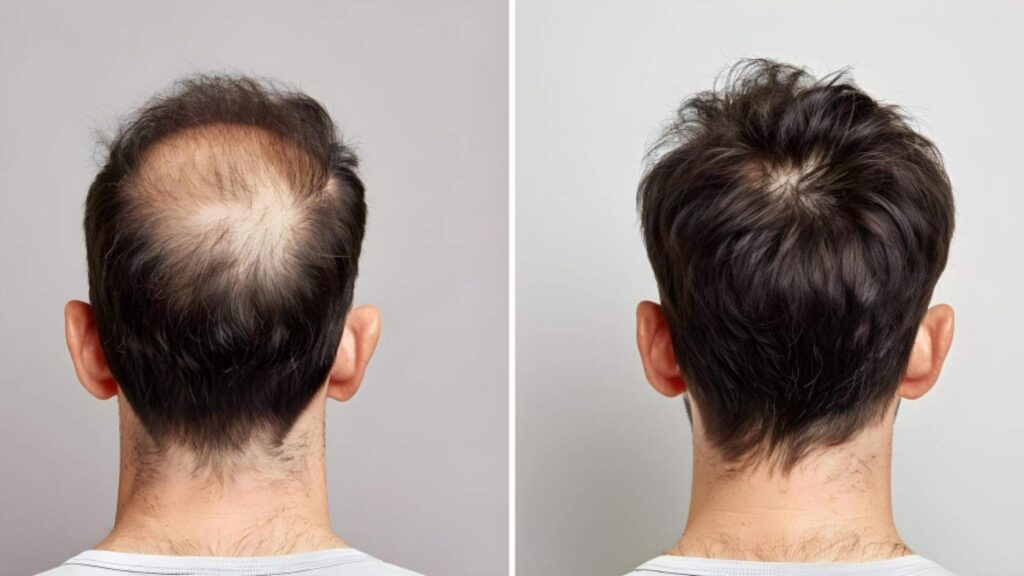
1. Hair Condition Before PRP Treatment
Before starting PRP therapy, many individuals experience symptoms such as increased hair fall, thinning at the crown or hairline, reduced hair volume, and overall weakened hair texture. The scalp may show signs of poor circulation, dryness, or mild inflammation in some cases.
Hair follicles in the early stages of thinning often remain active but weakened. These follicles may produce thinner hair strands that lack strength and volume. PRP treatment aims to support these follicles before permanent damage occurs.
Some individuals may also notice uneven hair density across different scalp areas. This uneven pattern is commonly seen in androgenetic hair thinning and stress-related hair loss. Before treatment, dermatological evaluation is usually performed to assess scalp condition and hair loss stage.
2. Immediate Changes After PRP Treatment
Immediately after PRP therapy, visible cosmetic changes are usually minimal. Since PRP works at the cellular level, the scalp requires time to respond to growth factor stimulation. Some individuals may notice mild redness or tenderness at injection sites, which typically settles within a short period.
During the early days following treatment, the scalp may feel slightly tight or sensitive. These sensations are temporary and part of the natural healing response. No dramatic hair growth changes are expected immediately after the procedure.
Although physical appearance may not change right away, biological activity begins beneath the scalp surface. Growth factors start supporting blood circulation and follicle nourishment soon after the injections.
3. Early Results Within the First Few Weeks
Within the first four to six weeks after PRP treatment, some individuals begin noticing reduced hair shedding. Hair fall during washing, brushing, or daily activities may gradually decrease as follicles become stronger and more stable.
This early improvement is often considered a positive sign that the scalp is responding to treatment. Reduced shedding helps preserve existing hair density and supports long-term regrowth efforts.
At this stage, hair texture may begin to feel slightly healthier, though visible thickening is usually subtle. Continued sessions and proper aftercare play an important role in maintaining this early progress.
4. Visible Changes After Three Months
After approximately three months, more noticeable before and after differences may begin to appear. Many individuals observe improved hair thickness and stronger hair strands. Existing hairs may appear darker, fuller, and more resilient.
Some patients experience gradual regrowth in thinning areas, especially where hair follicles were dormant but still active. New hair growth often begins as fine strands that gradually become thicker over time.
Scalp condition may also improve during this phase. Reduced dryness, improved hydration, and better overall scalp comfort are commonly reported. These changes contribute to a healthier environment for sustained hair growth.
5. Hair Density Improvement Over Time
One of the main goals of PRP therapy is improving overall hair density appearance. While PRP does not create new follicles, it supports weakened follicles and encourages dormant follicles to resume activity.
As stronger hair strands grow and follicle performance improves, the scalp may appear more evenly covered. Density improvement usually develops gradually over several months and becomes more noticeable with consistent treatment sessions.
This gradual improvement often enhances cosmetic appearance and makes styling easier due to increased hair volume.
6. Long-Term Before and After Results
Long-term PRP results depend on treatment consistency and individual response. After completing the recommended number of sessions, many individuals experience sustained reduction in hair fall, improved thickness, and better overall hair quality.
Maintenance sessions may be advised to preserve results, especially for individuals with ongoing genetic or hormonal hair thinning. Regular follow-ups allow treatment plans to be adjusted based on progress.
When combined with proper scalp care and healthy lifestyle habits, PRP results can remain stable for several months.
7. Hair Texture and Quality Changes
Before PRP treatment, hair texture may appear dull, dry, or fragile. After several sessions, many individuals notice smoother, shinier, and more manageable hair.
Improved blood circulation and nutrient delivery contribute to stronger hair fiber structure. This change reduces breakage and enhances overall hair appearance.
Better hair texture also improves daily grooming experiences and supports long-term hair health.
8. Scalp Health Improvements
Scalp health plays a crucial role in hair growth. Before PRP therapy, some individuals experience scalp irritation, poor circulation, or dryness. After treatment, many patients report improved scalp comfort and reduced sensitivity.
Enhanced blood flow supports oxygen delivery and nutrient supply to hair follicles. This improved environment helps sustain healthy follicle activity and long-term hair growth potential.
Better scalp health also reduces the risk of secondary hair problems related to inflammation or poor nourishment.
9. Individual Variation in PRP Results
PRP before and after outcomes vary from person to person. Factors such as age, stage of hair thinning, scalp condition, genetic background, and lifestyle habits influence treatment response.
Individuals with early-stage thinning usually experience better improvement compared to those with advanced hair loss. Maintaining realistic expectations is important to ensure treatment satisfaction.
Results are also influenced by treatment technique and adherence to recommended session schedules.
10. Importance of Maintenance Sessions
PRP therapy is not a one-time solution for most individuals. Maintenance sessions help sustain follicle stimulation and slow the progression of hair thinning.
Hair loss can be influenced by hormonal changes, stress, nutritional factors, and aging. Periodic PRP treatments help reinforce the benefits achieved during the initial treatment phase.
Following maintenance schedules helps preserve long-term hair quality and density.
11. Temporary Changes During the Treatment Phase
Some individuals may notice mild temporary shedding after starting PRP therapy. This phase is part of the natural hair growth cycle and occurs when weaker hairs shed to make room for stronger growth.
This temporary shedding usually resolves within a short period and is followed by gradual improvement in hair strength and density.
Understanding this phase helps avoid unnecessary concern during early treatment stages.
12. Psychological Impact of PRP Results
Improved hair appearance often leads to increased confidence and better self-image. Many individuals feel more satisfied with their overall appearance as hair thickness and density improve gradually.
Although PRP results develop slowly, visible progress can positively influence emotional well-being and personal comfort with appearance.
Maintaining realistic expectations and focusing on gradual improvement supports positive treatment experience.
13. Role of Aftercare in Before and After Outcomes
Aftercare practices strongly influence PRP results. Avoiding harsh chemical treatments, limiting heat styling, maintaining scalp hygiene, and following recommended hair care routines support better outcomes.
Healthy lifestyle habits such as balanced nutrition, stress management, proper hydration, and adequate sleep also contribute to long-term hair improvement.
Consistent aftercare strengthens treatment effectiveness and helps maintain stable results.
14. Monitoring Progress Through Follow-Up Visits
Follow-up visits allow evaluation of treatment progress and adjustment of session schedules if needed. During these visits, scalp condition, hair growth patterns, and response to therapy can be assessed.
Regular monitoring ensures that treatment remains aligned with individual hair needs and goals.
Progress tracking also helps identify areas that may benefit from additional sessions.
15. Summary of PRP Before and After Results
PRP before and after results typically include reduced hair fall, improved hair thickness, gradual increase in density, better scalp health, enhanced hair texture, and stronger hair roots. These changes develop progressively and depend on individual response, treatment consistency, and aftercare practices.
For individuals considering PRP therapy in Palakkad, understanding the gradual nature of improvement and committing to recommended treatment plans can help achieve healthier and more stable hair outcomes over time.
Frequently Asked Questions
1. How long does it take to see PRP before and after results?
Visible changes usually begin within a few months, while gradual improvement continues with regular sessions.
2. Are PRP before and after results permanent?
Results can last several months, but maintenance sessions may be needed to sustain long-term benefits.
3. Does PRP show immediate hair growth results?
No, PRP works gradually by stimulating natural hair growth processes, so immediate results are not expected.
4. Can PRP improve hair density in thinning areas?
PRP may help strengthen existing follicles and support gradual improvement in hair density.
5. Is hair fall reduction noticeable after PRP treatment?
Many individuals experience reduced hair shedding within the first few weeks after treatment.
6. Do PRP results look natural?
Yes, PRP uses the body’s own growth factors, so improvements usually appear natural and progressive.
7. Does everyone experience the same PRP results?
No, results vary depending on scalp condition, hair loss stage, and individual response.
8. Will PRP improve hair thickness?
Hair strands may gradually become thicker as follicles respond to PRP stimulation.
9. Can PRP improve scalp condition along with hair growth?
PRP may support better scalp circulation and overall scalp health.
10. Is follow-up important for maintaining PRP results?
Yes, follow-up sessions help monitor progress and support long-term maintenance of results.
PRP (Platelet-Rich Plasma) is a regenerative treatment that uses a patient’s own blood to promote natural healing, reduce inflammation, and repair damaged tissues without surgery. Learn more
PRP hair treatment is suitable for individuals experiencing early to moderate hair loss or thinning who want a non-surgical solution to strengthen hair and promote natural regrowth. Learn more
The cost of PRP treatment varies depending on the condition treated and the number of sessions required. Learn more
During a PRP consultation, you can expect a clear explanation of your hair condition, realistic treatment outcomes, and a personalized plan tailored to your hair regrowth goals. Learn more
Before starting PRP treatment for hair, you should ask about suitability, expected results, number of sessions required, safety, and post-treatment care to make an informed decision. Learn more
PRP hair treatment has minimal risks, mostly temporary, when performed under proper medical care. Learn more
Preparing properly for PRP therapy helps improve treatment comfort, safety, and overall hair health outcomes. Learn more
The PRP procedure involves drawing blood, processing it to concentrate platelets, and injecting the platelet-rich plasma into targeted areas of the scalp. Learn more
Recovery is usually minimal, with possible mild scalp tenderness or redness that settles within a short period. Learn more
Results may include reduced hair fall, improved hair thickness, and gradual stimulation of new hair growth over time. Learn more
Important terms include platelet-rich plasma, growth factors, centrifugation, scalp injections, and maintenance sessions.

