
Choosing the right doctor involves checking dermatology experience, PRP-specific training, treatment protocol transparency, and follow-up care. Learn more
What Results Can I Expect After PRP Treatment?
Lorem ipsum dolor sit amet, consectetur adipiscing elit. Ut elit tellus, luctus nec ullamcorper mattis, pulvinar dapibus leo.
How Much Does PRP Treatment Cost?
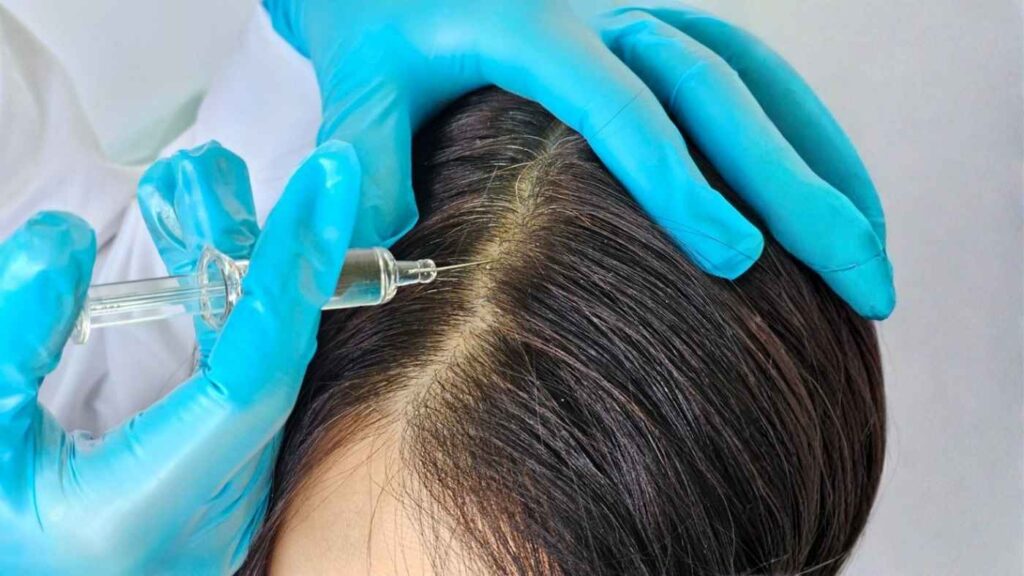
PRP (Platelet-Rich Plasma) therapy is widely used in dermatology for managing hair thinning and improving overall scalp health. Many individuals in Palakkad choose this treatment to support natural hair growth and strengthen existing hair follicles. Knowing what results to expect helps patients maintain realistic expectations and follow proper care routines.
PRP treatment works gradually by stimulating the scalp using growth factors derived from the patient’s own blood. Because this is a biological process, improvements appear over time rather than instantly.
Reduction in Hair Fall After PRP Treatment
One of the most commonly noticed results after PRP therapy is a gradual reduction in hair shedding. Within the first few weeks following treatment, many individuals observe less hair loss during washing, combing, or daily activities.
This improvement occurs because PRP strengthens weak hair follicles and improves blood circulation to the scalp. Stronger follicles are better able to hold hair strands in place, which helps reduce excessive shedding over time.
Improvement in Hair Thickness
Another expected result of PRP treatment is an increase in hair thickness. Existing hair strands may gradually become stronger and wider in diameter. Thicker strands create the appearance of fuller hair and improved volume.
This change usually becomes noticeable after multiple treatment sessions. Since hair growth follows natural cycles, thickness improvement develops slowly and continues to progress with consistent treatment.
Gradual Increase in Hair Density
PRP therapy may help improve hair density by stimulating dormant or weakened hair follicles. While PRP does not create new follicles, it can help inactive follicles resume growth activity.
As these follicles begin producing healthier hair strands, thinning areas may appear more evenly covered. This gradual increase in density often becomes visible over several months and improves with repeated sessions.
Better Scalp Health and Circulation
PRP treatment also supports scalp health. Many individuals notice reduced dryness, irritation, or sensitivity after completing PRP sessions. Improved scalp circulation allows better oxygen and nutrient delivery to hair follicles.
A healthier scalp environment plays a major role in supporting long-term hair growth and maintaining strong follicle activity.
Enhanced Hair Texture and Shine
Some people experience improvements in hair texture following PRP therapy. Hair may feel smoother, softer, and more manageable. Increased shine and reduced roughness are also commonly reported.
These changes occur due to better nourishment reaching the hair roots and improved scalp condition. Healthier follicles produce stronger hair fibers with improved surface quality.
Strengthening of Hair Roots
PRP treatment helps strengthen hair roots by improving follicle nourishment. Stronger roots reduce breakage and hair fall caused by weak anchoring of hair strands.
This result contributes to better hair retention and supports long-term scalp stability, especially for individuals experiencing early-stage thinning.
Timeline for Visible Results
PRP results develop gradually and vary between individuals. Early improvements such as reduced hair fall may appear within four to six weeks.
More visible changes in thickness and density usually develop between three to six months. Full results often become clearer after completing the recommended treatment sessions.
Because hair growth cycles take time, patience is necessary when evaluating progress.
Importance of Multiple Treatment Sessions
PRP therapy is rarely a one-time procedure. Dermatologists usually recommend multiple sessions spaced several weeks apart to maintain continuous follicle stimulation.
Each session builds upon the previous one by reinforcing growth factor activity in the scalp. Skipping sessions or stopping treatment early may reduce the effectiveness of results.
Maintenance and Long-Term Results
Maintenance sessions may be advised to preserve results over time. Hair thinning can be influenced by genetics, hormonal changes, stress, and lifestyle habits.
Periodic PRP sessions combined with proper scalp care can help maintain improvements and slow the progression of hair thinning.
Individual Variation in PRP Results
PRP outcomes vary depending on individual factors such as age, stage of hair loss, scalp condition, overall health, and lifestyle habits.
People with early hair thinning usually respond better than those with advanced hair loss. Maintaining realistic expectations helps improve treatment satisfaction and long-term compliance.
Temporary Shedding After PRP
Some individuals may notice mild temporary shedding during the early phase of PRP treatment. This is part of the hair growth cycle adjustment and occurs when weaker hairs shed to allow stronger growth.
This phase is usually short-lived and improves as healthier hair begins to grow.
Improvement in Hair Volume Appearance
As hair thickness and density improve, overall hair volume may also increase. This change often makes hair easier to style and creates a fuller appearance.
Improved volume contributes to better cosmetic satisfaction and increased confidence.
Role of Aftercare in PRP Results
Following post-treatment care guidelines is essential for achieving optimal results. Avoiding harsh chemical treatments, limiting heat styling, maintaining scalp hygiene, and following recommended hair care routines support better outcomes.
Healthy lifestyle habits such as balanced nutrition, proper hydration, and stress management also influence long-term results.
Follow-Up Evaluation and Progress Monitoring
Follow-up visits allow progress assessment and treatment adjustments if necessary. During these visits, scalp condition, hair growth patterns, and treatment response can be reviewed.
Ongoing evaluation helps customize future sessions based on individual response.
Long-Term Expectations After PRP Treatment
PRP therapy does not permanently stop genetic hair loss, but it can help slow thinning and improve hair quality when combined with maintenance care.
Consistent treatment, realistic expectations, and proper scalp management are key factors for sustaining long-term benefits.
Summary of Expected PRP Results
After PRP treatment, individuals may experience reduced hair fall, improved hair thickness, increased density, stronger hair roots, better scalp health, enhanced hair texture, and improved overall hair appearance.
These improvements occur gradually and depend on individual response, treatment consistency, and proper aftercare.
For individuals considering PRP therapy in Palakkad, understanding the gradual nature of results and following recommended treatment plans can help achieve healthier and more stable hair outcomes over time.
Table of Content
PRP (Platelet-Rich Plasma) is a regenerative treatment that uses a patient’s own blood to promote natural healing, reduce inflammation, and repair damaged tissues without surgery. Learn more
PRP hair treatment is suitable for individuals experiencing early to moderate hair loss or thinning who want a non-surgical solution to strengthen hair and promote natural regrowth. Learn more
The cost of PRP treatment varies depending on the condition treated and the number of sessions required. Learn more
During a PRP consultation, you can expect a clear explanation of your hair condition, realistic treatment outcomes, and a personalized plan tailored to your hair regrowth goals. Learn more
Before starting PRP treatment for hair, you should ask about suitability, expected results, number of sessions required, safety, and post-treatment care to make an informed decision. Learn more
PRP hair treatment has minimal risks, mostly temporary, when performed under proper medical care. Learn more
Preparing properly for PRP therapy helps improve treatment comfort, safety, and overall hair health outcomes. Learn more
The PRP procedure involves drawing blood, processing it to concentrate platelets, and injecting the platelet-rich plasma into targeted areas of the scalp. Learn more
Recovery is usually minimal, with possible mild scalp tenderness or redness that settles within a short period. Learn more
Important terms include platelet-rich plasma, growth factors, centrifugation, scalp injections, and maintenance sessions. Learn more
Before-and-after results often show improved hair density, stronger strands, and better scalp coverage with repeated sessions. Learn more
Frequently Asked Questions
1. How soon can I see results after PRP treatment?
Early improvements such as reduced hair fall may appear within a few weeks, while visible hair growth changes usually develop over several months.
2. Is hair regrowth guaranteed after PRP therapy?
Results vary between individuals, and PRP supports natural hair growth but does not guarantee the same outcome for everyone.
3. Does PRP treatment stop hair loss permanently?
PRP can help slow hair thinning and strengthen existing hair, but ongoing maintenance may be needed for long-term benefits.
4. How many PRP sessions are usually needed to see results?
Multiple sessions are often recommended to achieve and maintain noticeable improvements in hair quality and density.
5. Will PRP treatment increase hair thickness?
Many individuals experience gradual improvement in hair thickness as PRP strengthens hair follicles over time.
6. Can PRP help improve scalp health?
Yes, PRP may support better scalp circulation and overall scalp condition, which contributes to healthier hair growth.
7. Is temporary hair shedding normal after PRP treatment?
Mild temporary shedding may occur in some individuals as part of the hair growth cycle adjustment.
8. Do PRP results look natural?
PRP uses the body’s own growth factors, so the results usually appear natural and gradual.
9. How long do PRP treatment results last?
Results can last several months, especially when supported by maintenance sessions and proper hair care.
10. Does everyone respond the same way to PRP therapy?
No, individual response varies depending on factors such as age, scalp condition, and stage of hair thinning.

