
Choosing the right doctor involves checking dermatology experience, PRP-specific training, treatment protocol transparency, and follow-up care. Learn more
What Are the Steps of the PRP Procedure?
Platelet-Rich Plasma (PRP) therapy is a commonly used dermatological procedure for managing hair thinning and supporting hair growth. For individuals seeking clear and reliable information in Palakkad, understanding the step-by-step process of the PRP procedure helps reduce uncertainty and supports informed decision-making. PRP is a non-surgical treatment that uses components from a person’s own blood and is performed in a controlled clinical setting.
The PRP procedure follows a structured sequence of steps designed to ensure safety, accuracy, and effectiveness. While individual protocols may vary slightly based on scalp condition and treatment goals, the core steps of PRP therapy remain consistent.
1. Initial Consultation and Hair Assessment
The PRP procedure begins with a detailed consultation and hair evaluation. During this stage, the scalp is examined to assess hair density, pattern of hair loss, scalp health, and suitability for PRP therapy. Medical history, ongoing medications, and lifestyle factors are also reviewed to identify any conditions that may affect treatment outcomes.
This assessment helps determine whether PRP therapy is appropriate and how many sessions may be required. It also allows realistic expectations to be discussed, as PRP results vary between individuals.
2. Preparation Before the PRP Procedure
Before starting the procedure, basic pre-treatment instructions are usually provided. These may include advice on hydration, avoiding certain medications, or washing the scalp prior to the session. Since PRP uses the patient’s own blood, no major preparation is typically required.
The scalp area is cleaned thoroughly to maintain hygiene and reduce the risk of infection. In some cases, a topical anesthetic may be applied to minimize discomfort during the injections.
3. Blood Collection
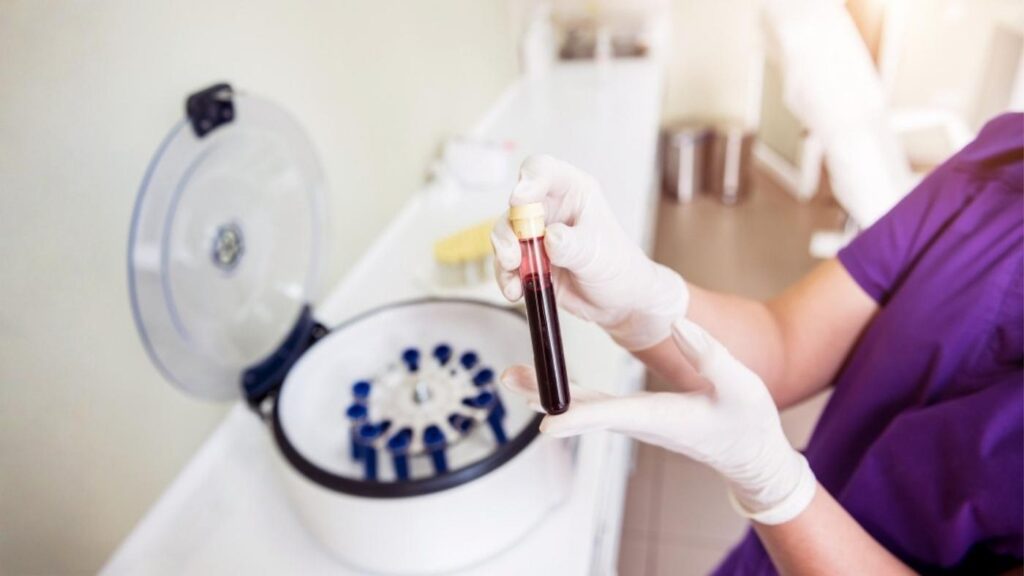
One of the key steps of the PRP procedure is blood collection. A small amount of blood is drawn from a vein in the arm, similar to a routine blood test. The quantity collected is usually minimal and sufficient to prepare the required amount of platelet-rich plasma.
This step is quick and generally well tolerated. Since the blood used is autologous (from the same person), the risk of allergic reactions is very low.
4. Centrifugation and PRP Preparation
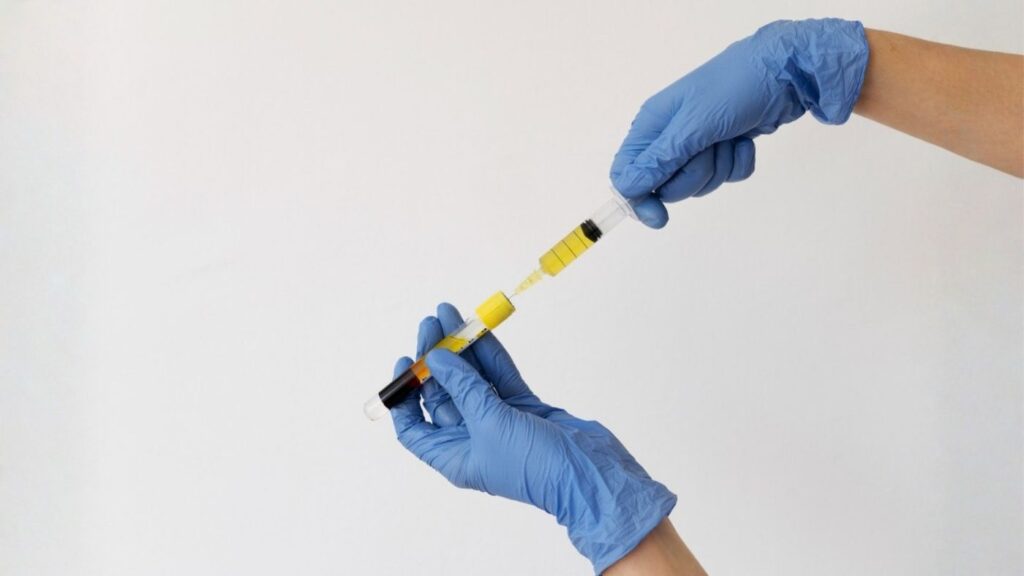
After blood collection, the sample is placed into a centrifuge. The centrifuge spins the blood at high speed to separate its components based on density. This process allows red blood cells, platelet-poor plasma, and platelet-rich plasma to be separated into distinct layers.
The platelet-rich portion is carefully extracted for use in the procedure. This PRP contains concentrated platelets that release growth factors believed to support hair follicle activity and scalp health.
5. Scalp Mapping and Injection Planning
Before administering PRP injections, the scalp is mapped to identify areas of thinning or reduced hair density. Injection points are planned to ensure even distribution of PRP across the targeted regions.
This step helps optimize coverage and ensures that the platelet-rich plasma is delivered to areas where it may be most beneficial. Precision during this stage plays an important role in the overall effectiveness of the procedure.
6. PRP Injection Into the Scalp
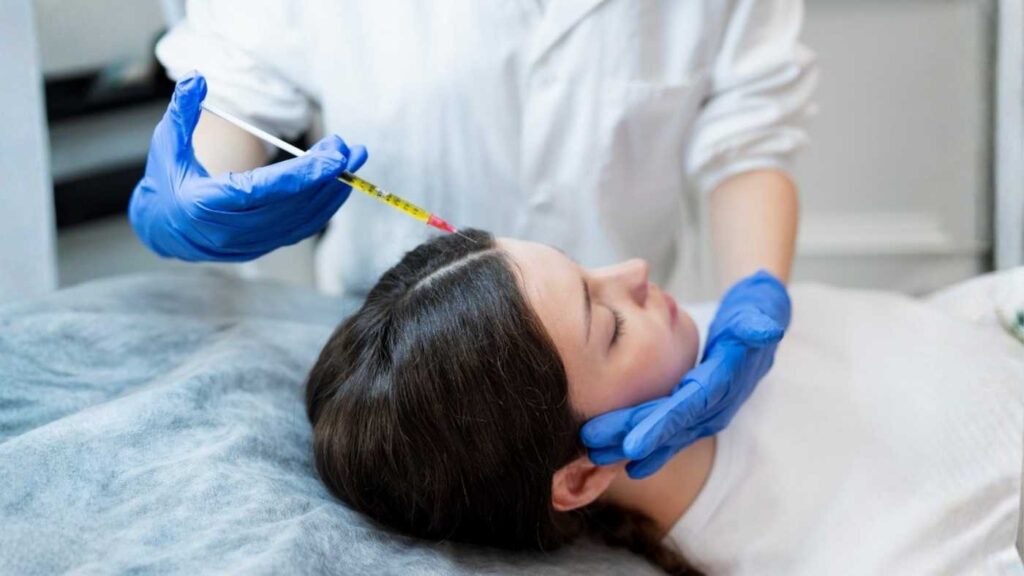
The prepared PRP is injected into the scalp using fine needles. Injections are placed at specific depths to reach the hair follicle environment. This step is the core of the PRP procedure and usually takes 20 to 30 minutes, depending on the area being treated.
Patients may feel mild discomfort or a pricking sensation during injections, but the procedure is generally tolerable. The use of topical anesthesia can further reduce discomfort.
7. Post-Procedure Care and Observation
After the injections are completed, the scalp is cleaned, and post-procedure instructions are provided. Mild redness, tenderness, or swelling at injection sites may occur and usually resolves within a short period.
Patients are typically advised to avoid washing the scalp for a specified time and to refrain from strenuous activities on the day of the procedure. No hospital stay is required, and normal daily activities can usually be resumed soon after.
8. Follow-Up and Treatment Scheduling
PRP therapy is usually performed as a series of sessions rather than a single treatment. Follow-up visits help assess response to therapy and plan subsequent sessions. The interval between sessions may vary depending on individual response and treatment protocol.
Maintenance sessions may be recommended to help sustain results over time. Follow-up also provides an opportunity to address concerns and adjust the treatment plan if needed.
9. Expected Timeline for Results
PRP treatment does not produce immediate visible changes. Hair growth is a gradual process, and results typically develop over several weeks to months. Some individuals notice reduced hair fall first, followed by improvements in hair texture and thickness.
Response to PRP therapy varies based on hair loss stage, scalp health, and consistency with recommended sessions. It is important to maintain realistic expectations throughout the process.
10. Safety Considerations During PRP Therapy
PRP therapy is considered a safe procedure when performed under proper clinical conditions. Because the treatment uses the patient’s own blood, the risk of infection or allergic reaction is minimal.
Strict hygiene protocols, sterile equipment, and correct preparation techniques are essential parts of each step. Discussing any medical conditions beforehand helps ensure safe treatment planning.
11. Who May Benefit From PRP Hair Treatment
PRP therapy is commonly considered by individuals experiencing early to moderate hair thinning or increased hair shedding. It may also be used as a supportive treatment alongside other dermatological hair therapies.
However, PRP may not be suitable for all types of hair loss. A proper evaluation is necessary to determine whether PRP is an appropriate option based on individual factors.
12. Importance of Professional Evaluation
Each step of the PRP procedure relies on accurate assessment, careful preparation, and proper technique. Professional evaluation ensures that the treatment is tailored to the individual’s scalp condition and hair concerns.
Clear communication during consultation and follow-up visits helps align expectations and improves overall treatment experience.
Final Overview of the PRP Procedure Steps
The PRP procedure for hair involves consultation, blood collection, centrifugation, precise scalp injections, and structured follow-up care. Each step plays an important role in supporting hair follicle function and scalp health.
For individuals considering PRP therapy in Palakkad, understanding these steps provides clarity and confidence when exploring dermatological hair treatment options. As with any medical procedure, outcomes depend on individual factors, consistency with treatment, and professional guidance.
Frequently Asked Questions
1. How is PRP prepared during the procedure?
PRP is prepared by processing a small blood sample in a centrifuge to separate and concentrate the platelet-rich portion.
2. Why are platelets used in PRP hair treatment?
Platelets contain growth factors that are believed to support hair follicle activity and scalp health.
3. Is PRP therapy performed in a single sitting?
Each PRP session is completed in one sitting, but multiple sessions are usually recommended for optimal results.
4. Do I need to take rest after a PRP session?
Rest is generally not required, though avoiding strenuous activities on the same day is commonly advised.
5. Can PRP treatment be done for both men and women?
Yes, PRP therapy for hair is commonly performed for both men and women based on individual assessment.
6. Does PRP treatment require shaving the head?
No, PRP treatment does not require shaving the head, as injections are given directly into the scalp.
7. How soon can I wash my hair after PRP treatment?
Hair washing is usually advised after a short waiting period, as guided during post-procedure instructions.
8. Is PRP therapy safe for long-term use?
PRP therapy is generally considered safe since it uses the patient’s own blood, when performed under proper medical standards.
9. Can PRP help reduce hair shedding?
Many individuals notice reduced hair shedding as one of the early responses to PRP therapy, though results vary.
10. Why is follow-up important after PRP treatment?
Follow-up visits help monitor response to treatment and guide the timing of future PRP sessions or maintenance care.
Table of Content
PRP (Platelet-Rich Plasma) is a regenerative treatment that uses a patient’s own blood to promote natural healing, reduce inflammation, and repair damaged tissues without surgery. Learn more
PRP hair treatment is suitable for individuals experiencing early to moderate hair loss or thinning who want a non-surgical solution to strengthen hair and promote natural regrowth. Learn more
The cost of PRP treatment varies depending on the condition treated and the number of sessions required. Learn more
During a PRP consultation, you can expect a clear explanation of your hair condition, realistic treatment outcomes, and a personalized plan tailored to your hair regrowth goals. Learn more
Before starting PRP treatment for hair, you should ask about suitability, expected results, number of sessions required, safety, and post-treatment care to make an informed decision. Learn more
PRP hair treatment has minimal risks, mostly temporary, when performed under proper medical care. Learn more
Preparing properly for PRP therapy helps improve treatment comfort, safety, and overall hair health outcomes. Learn more
Recovery is usually minimal, with possible mild scalp tenderness or redness that settles within a short period. Learn more
Results may include reduced hair fall, improved hair thickness, and gradual stimulation of new hair growth over time. Learn more
Important terms include platelet-rich plasma, growth factors, centrifugation, scalp injections, and maintenance sessions. Learn more
Before-and-after results often show improved hair density, stronger strands, and better scalp coverage with repeated sessions. Learn more

