
Choosing the right doctor involves checking dermatology experience, PRP-specific training, treatment protocol transparency, and follow-up care. Learn more
A PRP (Platelet-Rich Plasma) consultation is the first and most important step before starting PRP hair treatment. It is designed to evaluate your hair and scalp condition, understand the cause of hair loss, and determine whether PRP is the right solution for you. Rather than being a rushed appointment, a PRP consultation is a detailed, personalized interaction that focuses on your concerns, expectations, and long-term hair health.
For individuals exploring non-surgical hair restoration options in areas like Palakkad, a structured PRP consultation helps ensure that the treatment is safe, effective, and tailored to individual needs.
Understanding Your Hair Concerns
The consultation usually begins with a detailed discussion about your hair concerns. You may be asked about excessive hair fall, thinning areas, reduced hair density, or changes in hair texture. The duration of hair loss, pattern of thinning, and any triggering factors such as stress, illness, or hormonal changes are carefully reviewed.
This conversation helps differentiate between temporary hair shedding and progressive hair loss conditions that may benefit from PRP therapy.
Review of Medical and Lifestyle History
A thorough medical history is an essential part of a PRP consultation. Since PRP uses your own blood components, it is important to assess your overall health.
You can expect questions about:
Existing medical conditions
Recent illnesses or surgeries
Medications or supplements
Hormonal issues or nutritional deficiencies
Lifestyle factors such as stress, sleep, and diet
This information helps ensure PRP treatment is safe and identifies any underlying issues that may need to be addressed alongside PRP.
Scalp and Hair Examination
A detailed scalp and hair examination is performed to assess hair density, follicle strength, scalp health, and patterns of thinning. This examination may involve visual inspection, gentle hair pull tests, or magnified scalp analysis.
The purpose is to determine:
Whether hair follicles are still active
Areas where thinning is most prominent
Signs of inflammation, dandruff, or scalp conditions
Suitability of PRP for hair regrowth
PRP works best when hair follicles are weakened but still alive, making this assessment crucial.
Explanation of PRP Hair Treatment
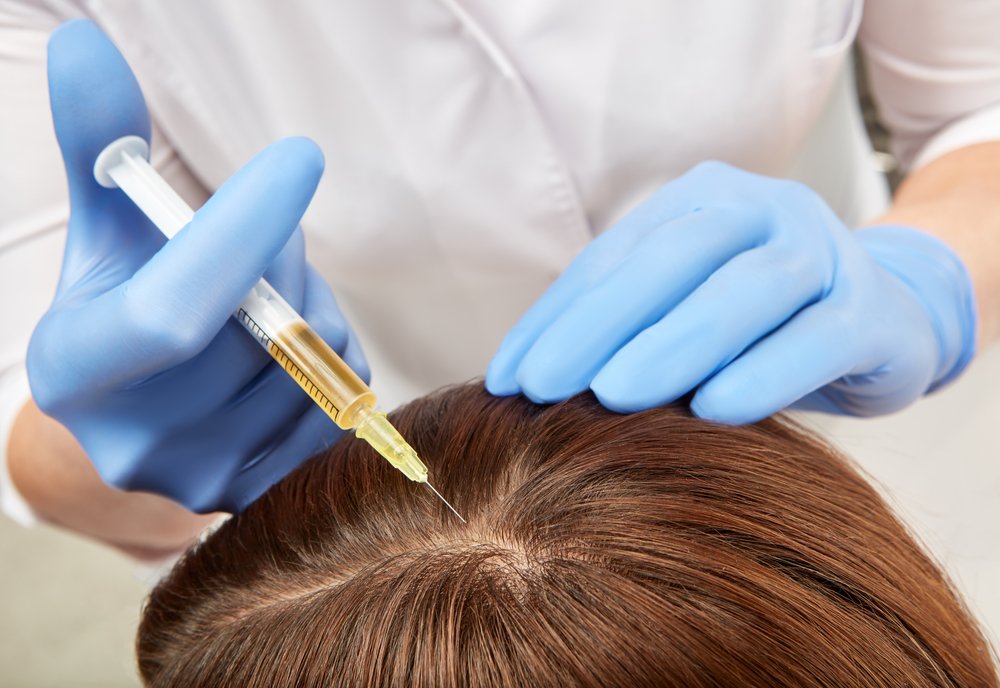
During the consultation, PRP hair treatment is explained in simple, understandable terms. You will learn how PRP is prepared from your own blood, how platelets are concentrated, and how growth factors help stimulate hair follicles.
The consultation typically covers:
How PRP promotes natural hair regrowth
How it strengthens existing hair
How it improves scalp circulation
How it helps slow hair thinning
This explanation helps you understand the science behind PRP and sets realistic expectations.
Suitability Assessment
Not everyone with hair loss is an ideal candidate for PRP. The consultation helps determine whether PRP is suitable for your specific condition.
PRP is commonly recommended for:
Early to moderate hair thinning
Androgenetic alopecia (pattern hair loss)
Stress-related hair fall
Weak or thinning hair shafts
Severe baldness or completely inactive follicles may require alternative or supportive treatments, which will be discussed during the consultation.
Discussion of Treatment Plan
A personalized treatment plan is outlined based on your hair condition and goals. This includes:
Number of PRP sessions recommended
Time gap between sessions
Expected improvement timeline
Combination with other hair treatments if needed
The focus is on creating a realistic and sustainable plan rather than offering a one-size-fits-all solution.
Expected Results and Timeline
Understanding what PRP can and cannot do is a key part of the consultation. You will be guided on expected outcomes, including:
Reduction in hair fall over the first few sessions
Improvement in hair thickness and texture
Gradual regrowth in thinning areas
Time required to see visible results
PRP is a progressive treatment, and results typically develop over several months with consistent sessions.
Safety and Comfort Discussion
PRP is a minimally invasive procedure with a strong safety profile since it uses your own blood. During the consultation, you will be informed about:
Mild discomfort during injections
Temporary redness or tenderness
Minimal downtime after sessions
Clear guidance helps reduce anxiety and prepares you for the treatment process.
Cost and Session Planning
The consultation also includes a transparent discussion about treatment costs. You will be informed about:
Cost per session or package
Factors influencing pricing
Maintenance sessions if required
This allows you to plan financially without pressure or surprises.
No Pressure to Decide Immediately
A good PRP consultation allows time for reflection. You are not required to begin treatment immediately. Instead, you are encouraged to consider the information provided and decide when you feel ready.
This patient-centered approach builds trust and ensures informed decision-making.
Importance of a Proper PRP Consultation
A PRP consultation is more than a preliminary visit—it lays the foundation for effective hair restoration. By carefully assessing hair health, medical background, and expectations, the consultation ensures that PRP treatment is both safe and beneficial.
With increasing awareness of advanced dermatology-based hair treatments across Palakkad and surrounding regions, a well-structured PRP consultation helps individuals make confident, informed choices toward healthier, stronger hair and long-term scalp wellness.
Table of Content
PRP (Platelet-Rich Plasma) is a regenerative treatment that uses a patient’s own blood to promote natural healing, reduce inflammation, and repair damaged tissues without surgery. Learn more
PRP hair treatment is suitable for individuals experiencing early to moderate hair loss or thinning who want a non-surgical solution to strengthen hair and promote natural regrowth. Learn more
The cost of PRP treatment varies depending on the condition treated and the number of sessions required. Learn more
Before starting PRP treatment for hair, you should ask about suitability, expected results, number of sessions required, safety, and post-treatment care to make an informed decision. Learn more
PRP hair treatment has minimal risks, mostly temporary, when performed under proper medical care. Learn more
Preparing properly for PRP therapy helps improve treatment comfort, safety, and overall hair health outcomes. Learn more
The PRP procedure involves drawing blood, processing it to concentrate platelets, and injecting the platelet-rich plasma into targeted areas of the scalp. Learn more
Recovery is usually minimal, with possible mild scalp tenderness or redness that settles within a short period. Learn more
Results may include reduced hair fall, improved hair thickness, and gradual stimulation of new hair growth over time. Learn more
Important terms include platelet-rich plasma, growth factors, centrifugation, scalp injections, and maintenance sessions. Learn more
Before-and-after results often show improved hair density, stronger strands, and better scalp coverage with repeated sessions. Learn more

