
Choosing the right doctor involves checking dermatology experience, PRP-specific training, treatment protocol transparency, and follow-up care. Learn more
Who Is a Good Candidate for PRP Treatment?
PRP (Platelet-Rich Plasma) therapy has become one of the most trusted non-surgical treatments for hair loss in dermatology. It works by using the patient’s own blood platelets, which are rich in growth factors, to stimulate hair follicles, improve scalp health, and promote natural hair regrowth. While PRP is widely known for its safety and effectiveness, it is important to understand that not everyone with hair loss is an ideal candidate. Proper candidate selection plays a major role in achieving successful and long-lasting results.
This page explains in detail who benefits the most from PRP hair treatment, what conditions respond best, and what factors determine suitability.
Individuals Experiencing Early to Moderate Hair Loss
One of the best groups of candidates for PRP hair treatment includes individuals in the early to moderate stages of hair loss. At this stage, hair follicles are weakened but still alive, making them responsive to growth factor stimulation.
PRP works best when:
Hair thinning has recently started
Hair density is reducing gradually
The scalp still has active follicles
In advanced baldness where follicles are completely inactive, PRP alone may not be effective.
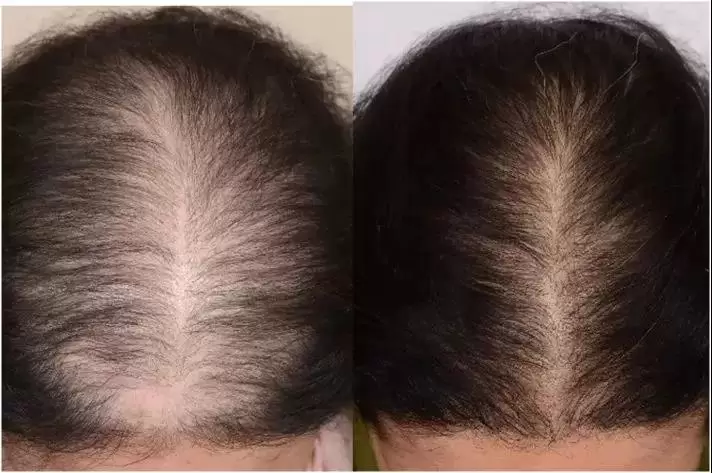
People With Excessive Hair Fall but Preserved Hair Density
Some individuals experience excessive hair fall without visible baldness. PRP is an excellent option for such cases because it improves scalp circulation and strengthens hair roots.
PRP is suitable for people who notice:
Hair shedding during combing or washing
Increased hair fall during stress or seasonal changes
Weak, thin, or lifeless hair
By nourishing hair follicles, PRP reduces hair fall and improves hair quality over time.
Patients With Stress-Related or Hormonal Hair Loss
Hair loss triggered by stress, hormonal imbalance, or lifestyle factors often responds well to PRP therapy when combined with proper medical guidance.
Good candidates include individuals with:
Hair loss after illness or emotional stress
Post-pregnancy hair shedding
Thyroid-related hair thinning (once controlled)
PRP supports natural follicle recovery and helps restore normal hair growth cycles.
People With Thinning Hair Due to Aging
As part of the natural aging process, hair follicles gradually weaken, leading to reduced hair volume and density. PRP is an effective option for individuals who want to slow age-related hair thinning and maintain healthy hair.
PRP is suitable for:
Adults noticing gradual hair volume loss
People wanting to improve scalp health
Individuals aiming for natural hair rejuvenation without surgery
Those With Healthy Scalp and No Active Infections
A healthy scalp is important for successful PRP treatment. Ideal candidates typically do not have active scalp conditions such as severe infections or untreated inflammatory disorders.
PRP works best when:
The scalp is free from active infections
Dandruff and scalp inflammation are under control
There are no open wounds or severe skin diseases
A dermatological evaluation helps ensure the scalp is suitable for treatment.
Patients Willing to Commit to Multiple Sessions
PRP is not a one-time treatment. Good candidates understand that multiple sessions are required for optimal results.
Ideal candidates are those who:
Are willing to undergo a series of sessions
Follow recommended treatment intervals
Maintain regular follow-ups
Consistency plays a key role in achieving visible improvement.
Who May Not Be an Ideal Candidate for PRP Hair Treatment
While PRP benefits many people, it may not be suitable for:
Individuals with complete baldness
Patients with severe medical conditions affecting blood or platelets
People with unrealistic expectations
Those unwilling to follow treatment protocols
A proper dermatological consultation is essential to determine suitability.
A good candidate for PRP hair treatment in dermatology is someone experiencing early to moderate hair loss, thinning hair, or excessive hair fall with active hair follicles. PRP is ideal for individuals seeking a natural, non-surgical solution with minimal downtime and long-term benefits. When performed under expert dermatological care and combined with proper evaluation, PRP can significantly improve hair strength, density, and scalp health.
PRP is ideal for individuals who want treatment performed under professional dermatological supervision, ensuring safety, hygiene, and correct technique. In places like Palakkad, where advanced dermatology clinics and modern aesthetic care are increasingly available, PRP has become a preferred option for hair restoration through safe, evidence-based practice.
Table of Content
Table of Content
PRP (Platelet-Rich Plasma) is a regenerative treatment that uses a patient’s own blood to promote natural healing, reduce inflammation, and repair damaged tissues without surgery. Learn more
The cost of PRP treatment varies depending on the condition treated and the number of sessions required. Learn more
During a PRP consultation, you can expect a clear explanation of your hair condition, realistic treatment outcomes, and a personalized plan tailored to your hair regrowth goals. Learn more
Before starting PRP treatment for hair, you should ask about suitability, expected results, number of sessions required, safety, and post-treatment care to make an informed decision. Learn more
PRP hair treatment has minimal risks, mostly temporary, when performed under proper medical care. Learn more
Preparing properly for PRP therapy helps improve treatment comfort, safety, and overall hair health outcomes. Learn more
The PRP procedure involves drawing blood, processing it to concentrate platelets, and injecting the platelet-rich plasma into targeted areas of the scalp. Learn more
Recovery is usually minimal, with possible mild scalp tenderness or redness that settles within a short period. Learn more
Results may include reduced hair fall, improved hair thickness, and gradual stimulation of new hair growth over time. Learn more
Important terms include platelet-rich plasma, growth factors, centrifugation, scalp injections, and maintenance sessions. Learn more
Before-and-after results often show improved hair density, stronger strands, and better scalp coverage with repeated sessions. Learn more

