
Choosing the right doctor involves checking dermatology experience, PRP-specific training, treatment protocol transparency, and follow-up care. Learn more
What Is PRP?
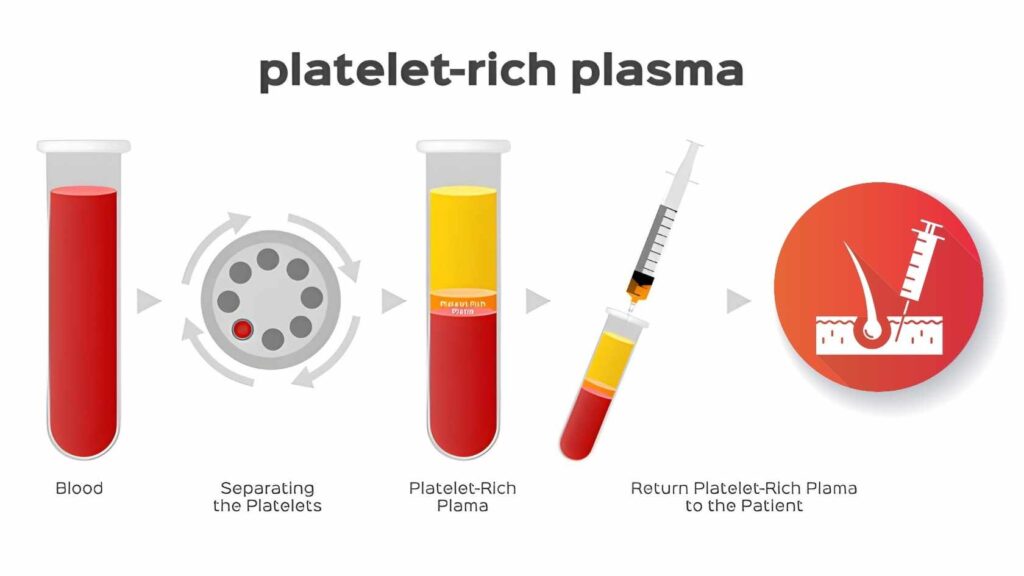
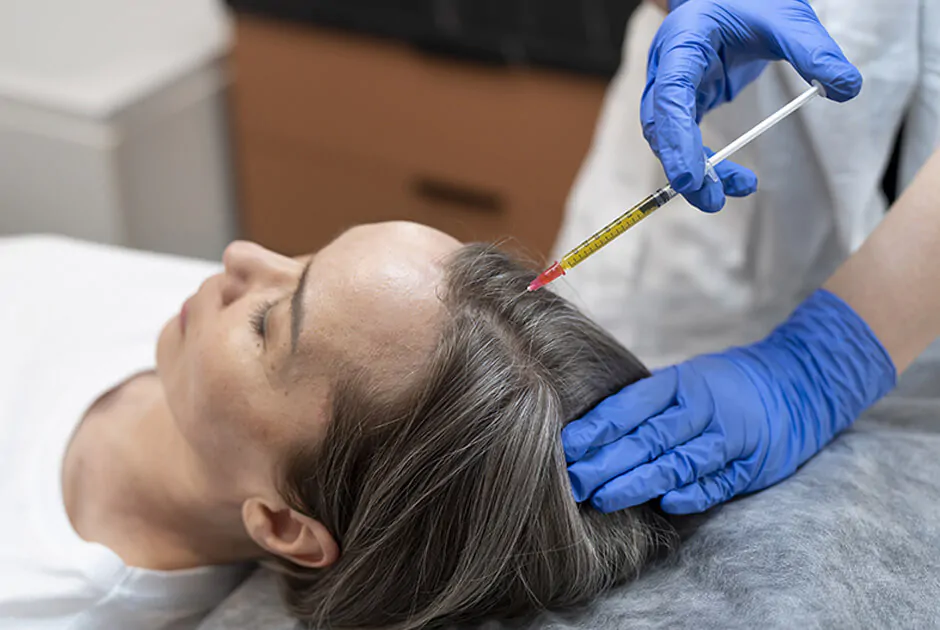
PRP, or Platelet-Rich Plasma, is an advanced, non-surgical dermatology treatment widely used for managing hair fall and promoting natural hair regrowth. In dermatology, PRP therapy for hair works by using the body’s own healing components to stimulate dormant hair follicles, strengthen existing hair, and improve scalp health. Over the years, PRP has become a preferred option for individuals experiencing hair thinning, early-stage baldness, and chronic hair fall, as it offers a safe, minimally invasive, and scientifically supported approach to hair restoration.
In dermatology clinics across Palakkad, PRP hair treatment is increasingly chosen by patients who want effective results without surgery or long-term medication.
Understanding Hair Loss and the Role of PRP
Hair loss can occur due to multiple factors, including genetics, hormonal changes, stress, nutritional deficiencies, scalp conditions, and lifestyle habits. One of the most common causes is androgenetic alopecia, also known as pattern hair loss, which affects both men and women.
In many cases, hair follicles are not permanently damaged but become weak, inactive, or poorly nourished. PRP therapy targets this stage by improving blood circulation to the scalp and delivering concentrated growth factors directly to the hair roots. These growth factors help repair follicles, prolong the hair growth phase, and reduce excessive shedding.
What Exactly Is PRP in Hair Dermatology?
PRP stands for Platelet-Rich Plasma, a concentrated form of plasma derived from a small sample of the patient’s own blood. Platelets are rich in growth factors and proteins that play a vital role in tissue repair, cell regeneration, and healing.
In hair dermatology, PRP is used to:
Stimulate inactive hair follicles
Strengthen thinning hair
Improve scalp health
Slow down hair loss progression
Support natural hair regrowth
Since PRP is prepared from the patient’s own blood, it is considered a safe and biocompatible treatment.
PRP for Men and Women
PRP hair treatment is suitable for both men and women.
In men, it is commonly used for receding hairlines and crown thinning.
In women, PRP helps manage diffuse hair thinning, stress-related hair loss, and post-pregnancy hair fall.
Because PRP does not involve hormones or chemicals, it is often preferred by women looking for a natural approach to hair regrowth.
PRP hair treatment is a scientifically supported, minimally invasive dermatology procedure designed to combat hair loss and promote natural hair regrowth. By using the body’s own growth factors, PRP strengthens hair follicles, improves scalp health, and slows the progression of hair thinning. For individuals seeking an effective, non-surgical solution for hair loss, PRP offers a reliable and natural option with proven results when performed under expert dermatological care.
Table of Content
PRP hair treatment is suitable for individuals experiencing early to moderate hair loss or thinning who want a non-surgical solution to strengthen hair and promote natural regrowth. Learn more
The cost of PRP treatment varies depending on the condition treated and the number of sessions required. Learn more
During a PRP consultation, you can expect a clear explanation of your hair condition, realistic treatment outcomes, and a personalized plan tailored to your hair regrowth goals. Learn more
Before starting PRP treatment for hair, you should ask about suitability, expected results, number of sessions required, safety, and post-treatment care to make an informed decision. Learn more
PRP hair treatment has minimal risks, mostly temporary, when performed under proper medical care. Learn more
Preparing properly for PRP therapy helps improve treatment comfort, safety, and overall hair health outcomes. Learn more
The PRP procedure involves drawing blood, processing it to concentrate platelets, and injecting the platelet-rich plasma into targeted areas of the scalp. Learn more
Recovery is usually minimal, with possible mild scalp tenderness or redness that settles within a short period. Learn more
Results may include reduced hair fall, improved hair thickness, and gradual stimulation of new hair growth over time. Learn more
Important terms include platelet-rich plasma, growth factors, centrifugation, scalp injections, and maintenance sessions. Learn more
Before-and-after results often show improved hair density, stronger strands, and better scalp coverage with repeated sessions. Learn more

